

Introduction
Financial markets play an important role in the global economy, connecting investors, businesses, institutions, and traders from around the world. Every day, trillions of dollars are exchanged across different markets, creating opportunities for participants with various goals and strategies.
Some people invest for the long term, building portfolios designed to grow over many years. Others prefer a more active approach that focuses on short-term market movements. This active style of market participation has become increasingly popular thanks to modern technology, online trading platforms, and easier access to financial information.
Today, traders can access Forex, Cryptocurrencies, and Indices from a single platform, making it easier than ever to explore the financial markets and develop trading skills.
What Is Day Trading?
Day trading is a trading style that involves opening and closing positions within the same trading day. Instead of holding assets for weeks, months, or years, day traders focus on short-term price movements that occur throughout the day.
The primary objective is to identify opportunities created by market fluctuations and attempt to profit from those movements. Positions may remain open for several hours, minutes, or even less, depending on the trader’s strategy.
Because positions are typically closed before the trading day ends, day traders avoid overnight market exposure and focus entirely on intraday price action.
For beginners who want to understand how trading works before risking real money, IQ Option offers access to Forex, Cryptocurrencies, and Indices, along with a Demo Account that includes $10,000 in virtual funds for practice.
👉 https://affiliate.iqoption.net/redir/?aff=386290&aff_model=revenue&afftrack=blog
How Does Day Trading Work?
Day traders constantly analyze market conditions in search of potential opportunities. Their decisions are often based on price behavior, technical indicators, market trends, and economic events.
Unlike long-term investors who may focus on company fundamentals, day traders generally pay close attention to shorter timeframes and market momentum.
A typical trading day may include:
- Reviewing market conditions
- Identifying potential setups
- Entering positions
- Managing risk
- Closing trades before the session ends
Successful trading often requires preparation, patience, and discipline.
Markets Popular Among Day Traders
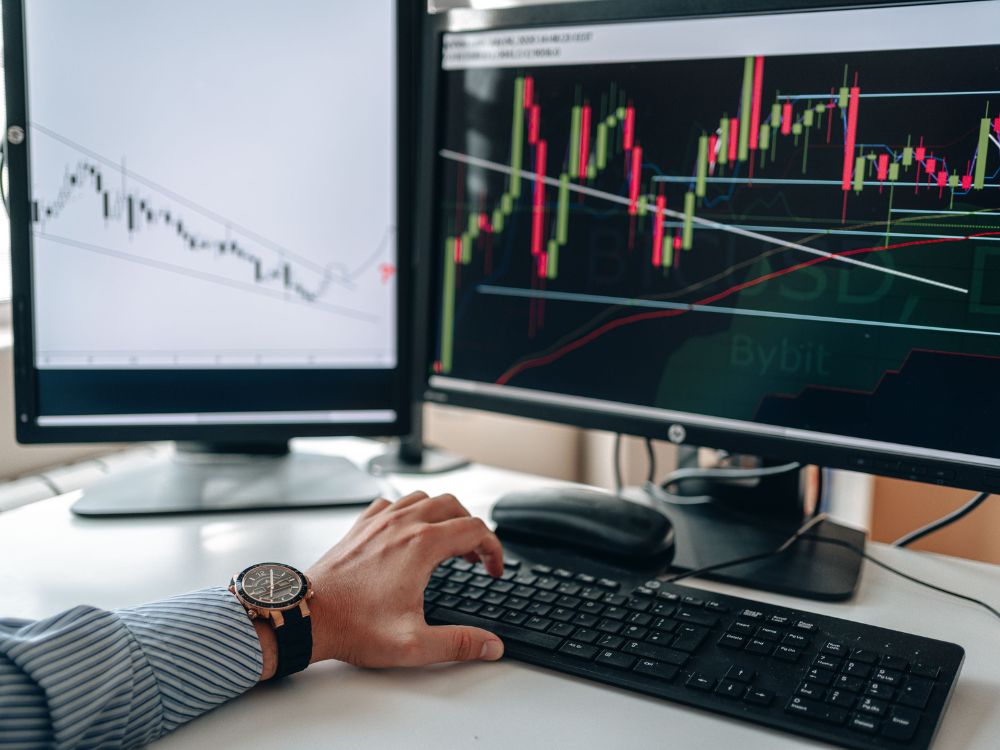
One reason day trading attracts so many people is the wide variety of markets available.
Forex
The Forex market is the largest financial market in the world. It involves trading one currency against another and operates nearly twenty-four hours a day during the trading week.
Popular currency pairs include:
- EUR/USD
- GBP/USD
- USD/JPY
- GBP/JPY
Its liquidity and continuous activity make Forex one of the most popular choices among active traders.
Cryptocurrencies
Cryptocurrencies have transformed the financial landscape by creating a new asset class that trades around the clock.
Assets such as Bitcoin, Ethereum, and Solana often experience significant price movements, attracting traders who seek volatility and market activity.
Because crypto markets never close, opportunities may arise at any time.
Indices
Indices measure the performance of groups of companies and provide exposure to broader market trends.
Examples include:
- S&P 500
- NASDAQ 100
- Dow Jones
- FTSE 100
- DAX 40
Many traders prefer indices because they reflect the performance of an entire market segment rather than a single company.
How Traders Analyze the Market
Most successful traders rely on analysis rather than intuition.
Technical Analysis
Technical analysis focuses on charts and historical price movements.
Popular tools include:
- Support and resistance levels
- Trend lines
- Moving averages
- RSI
- MACD
- Candlestick patterns
These tools help traders evaluate market conditions and identify potential opportunities.
Why Many Beginners Start with a Demo Account
Learning to trade involves much more than understanding charts. New traders must also learn risk management, trading psychology, and platform functionality.
A demo account provides an environment where traders can practice without risking real money. This allows beginners to make mistakes, test strategies, and build confidence while gaining experience in realistic market conditions.
Many experienced traders recommend spending time on a demo account before transitioning to live trading.
IQ Option provides access to Forex, Crypto, and Indices trading while offering a Demo Account funded with $10,000 in virtual money for practice.
👉 https://affiliate.iqoption.net/redir/?aff=386290&aff_model=revenue&afftrack=blog
Fundamental Analysis
Fundamental analysis involves monitoring economic reports and major news events.
Examples include:
- Interest rate decisions
- Inflation reports
- Employment data
- Economic growth announcements
Major events can influence market sentiment and create increased volatility.
Why Many Beginners Start with a Demo Account
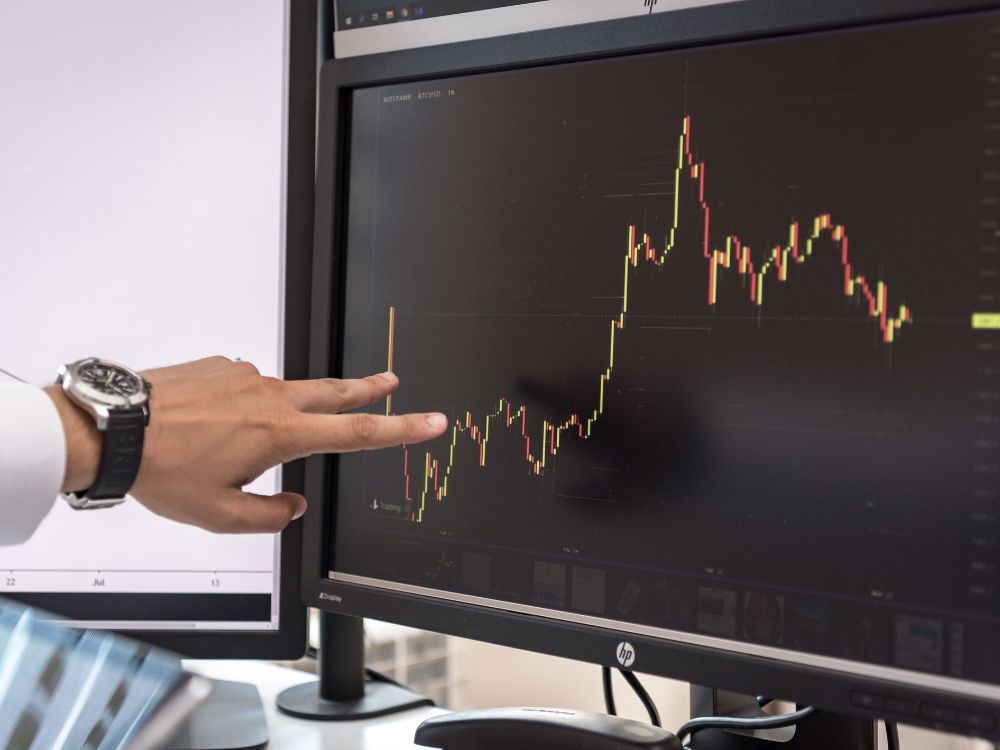
Learning to trade involves much more than understanding charts. New traders must also learn risk management, trading psychology, and platform functionality.
A demo account provides an environment where traders can practice without risking real money. This allows beginners to make mistakes, test strategies, and build confidence while gaining experience in realistic market conditions.
Benefits of Day Trading
Day trading continues to attract people because of several potential advantages.
Flexibility
Modern technology allows traders to access markets from almost anywhere.
Market Activity
Financial markets generate opportunities throughout the day due to constant price fluctuations.
Multiple Asset Classes
Traders can participate in Forex, Cryptocurrencies, and Indices using a single platform.
Skill Development
Day trading encourages the development of analytical thinking, discipline, and decision-making abilities.
Understanding the Risks
Although day trading can be rewarding, it is important to understand the risks involved.
Markets are unpredictable, and losses are part of the learning process.
Some common challenges include:
- Market volatility
- Emotional decision-making
- Overtrading
- Lack of discipline
- Poor risk management
Successful traders focus on controlling risk rather than chasing profits.
Building Strong Trading Habits
Consistency is often one of the biggest differences between successful traders and beginners.
Helpful habits include:
- Following a trading plan
- Keeping a trading journal
- Reviewing past trades
- Managing risk carefully
- Continuing education
These habits can help traders improve over time and make more informed decisions.
Conclusion
Day trading is a popular trading style that focuses on short-term market movements within a single trading session. It provides access to dynamic markets such as Forex, Cryptocurrencies, and Indices while offering opportunities to develop analytical and decision-making skills.
However, successful trading requires education, discipline, and patience. Understanding market behavior, practicing risk management, and gaining experience are all essential parts of the learning process.
Before trading with real capital, many beginners choose to practice using a demo account. IQ Option offers access to Forex, Crypto, and Indices, along with a Demo Account funded with $10,000 in virtual funds that allows users to learn and practice in real market conditions.
Start exploring the markets today:
👉 https://affiliate.iqoption.net/redir/?aff=386290&aff_model=revenue&afftrack=blog