
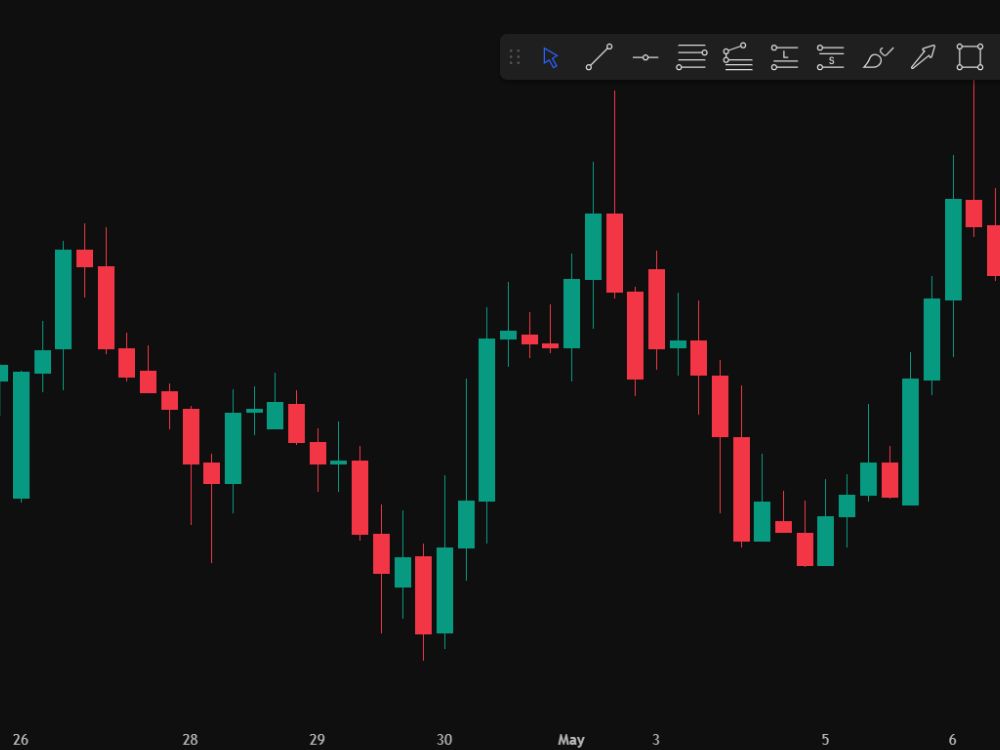
If you are looking for a trading style that does not require sitting in front of charts all day, swing trading may be exactly what you need. Many traders are attracted to swing trading because it offers a balance between short-term trading and long-term investing. Instead of opening and closing positions within minutes, swing traders typically hold trades for several days or even weeks, aiming to capture meaningful price movements.
Before diving deeper into how swing trading works, if you’re interested in practicing your strategies without risking real money, you can start with a demo trading account here:
👉 https://affiliate.iqoption.net/redir/?aff=386290&aff_model=revenue&afftrack=blog
Using a demo account allows beginners to understand market movements, test trading strategies, and build confidence before investing real capital.
What Is Swing Trading?
Swing trading is a trading strategy that aims to capture short- to medium-term price movements in financial markets. Traders identify potential trends or price swings and attempt to profit from them by entering and exiting positions at strategic points.
Unlike day traders, who close all positions before the trading day ends, swing traders hold positions overnight and sometimes for several weeks. The goal is to capture a significant portion of a price move rather than trying to profit from every small market fluctuation.
Swing trading can be applied to various financial markets, including:
- Stocks
- Forex
- Cryptocurrencies
- Commodities
- Indices
Because of its flexibility, swing trading has become one of the most popular trading styles among both beginners and experienced traders.
How Swing Trading Works
Swing traders rely on technical analysis, market trends, and price action to identify trading opportunities. The process usually involves:
1. Identifying the Trend
The first step is determining whether the market is trending upward, downward, or moving sideways.
An uptrend is characterized by:
- Higher highs
- Higher lows
A downtrend is characterized by:
- Lower highs
- Lower lows
Recognizing the overall trend helps traders align their positions with market momentum.
2. Finding Entry Points
After identifying a trend, traders look for favorable entry opportunities. Common tools include:
- Moving Averages
- RSI (Relative Strength Index)
- MACD (Moving Average Convergence Divergence)
- Support and Resistance Levels
- Candlestick Patterns
These indicators help traders determine when a market may continue its trend or reverse direction.
3. Managing Risk
Risk management is one of the most important aspects of swing trading. Successful traders never risk large portions of their capital on a single trade.
Popular risk management techniques include:
- Setting stop-loss orders
- Maintaining a favorable risk-to-reward ratio
- Limiting position size
- Diversifying trades
4. Exiting the Trade
Swing traders typically set profit targets based on technical levels or predefined risk-reward ratios. They may also use trailing stops to lock in profits while allowing winning trades to continue.
Why Swing Trading Is So Popular
Swing trading offers several advantages compared to other trading styles.
Less Time-Consuming
One of the biggest benefits is that traders do not need to monitor markets continuously throughout the day. Many swing traders spend only a few hours analyzing charts and managing positions.
More Trading Opportunities
Because swing traders hold positions for several days, they can take advantage of larger market moves than day traders who focus on intraday fluctuations.
Suitable for Working Professionals
Many people use swing trading as a secondary source of income because it can be combined with a full-time job.
Reduced Stress
Compared to scalping or high-frequency trading, swing trading generally involves fewer decisions and less emotional pressure.
If you’re serious about learning swing trading, opening a demo account is one of the smartest first steps. It allows you to practice strategies in real market conditions without financial risk.
👉 https://affiliate.iqoption.net/redir/?aff=386290&aff_model=revenue&afftrack=blog
Swing Trading vs Day Trading
Many beginners confuse swing trading with day trading. While both involve active participation in the markets, there are significant differences.
| Feature | Swing Trading | Day Trading |
| Holding Period | Days to Weeks | Minutes to Hours |
| Time Commitment | Moderate | High |
| Overnight Positions | Yes | No |
| Number of Trades | Lower | Higher |
| Stress Level | Moderate | High |
Day traders seek quick profits from intraday movements, while swing traders focus on capturing larger price swings over longer periods.
Swing Trading vs Investing
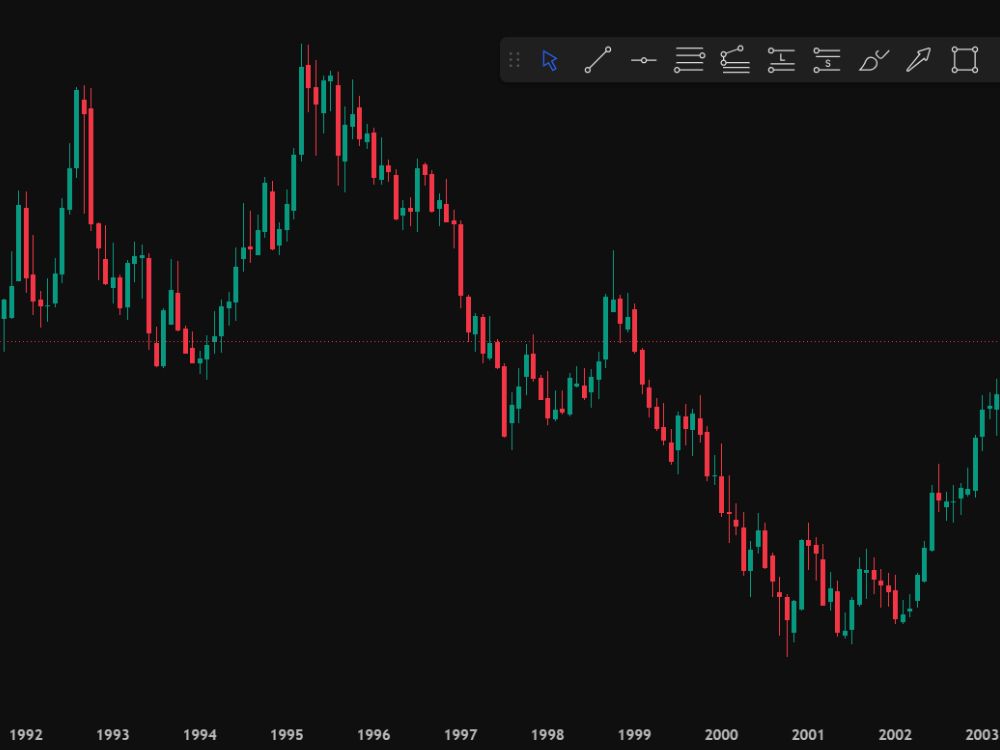
Swing trading is also different from traditional investing.
Investors generally buy assets with a long-term perspective, often holding positions for years. Swing traders, however, focus on shorter-term market movements and seek to profit from trends that may last only days or weeks.
Key Differences
Investors:
- Long-term mindset
- Fundamental analysis focused
- Less frequent transactions
Swing Traders:
- Short- to medium-term mindset
- Technical analysis focused
- Frequent buying and selling
Best Markets for Swing Trading
Stock Market
Stocks are among the most popular instruments for swing traders because they often exhibit clear trends and strong momentum.
Forex Market
The foreign exchange market offers high liquidity and numerous trading opportunities. Major currency pairs frequently create trends suitable for swing trading.
Cryptocurrency Market
Cryptocurrencies are known for their volatility, making them attractive to swing traders seeking larger price movements.
Commodities
Markets such as gold, silver, oil, and natural gas can provide excellent swing trading opportunities.
Essential Swing Trading Indicators
Moving Averages
Moving averages help smooth price action and identify trend direction.
Popular choices include:
- 20-day Moving Average
- 50-day Moving Average
- 200-day Moving Average
Relative Strength Index (RSI)
The RSI measures momentum and helps identify overbought or oversold conditions.
Generally:
- Above 70 = Overbought
- Below 30 = Oversold
MACD
The MACD helps traders identify trend changes and momentum shifts.
Fibonacci Retracement
Fibonacci Retracement is one of the most widely used tools among swing traders. It helps identify potential support and resistance levels where price may pause, reverse, or continue its trend.
The tool is based on key Fibonacci ratios, including:
- 23.6%
- 38.2%
- 50%
- 61.8%
- 78.6%
Swing traders often use Fibonacci Retracement after a strong market move to find potential pullback areas before entering a trade.
For example, during an uptrend, a trader may wait for the price to retrace to the 38.2%, 50%, or 61.8% Fibonacci level before looking for a buying opportunity. These levels frequently act as areas where buyers re-enter the market.
When combined with support and resistance zones, candlestick patterns, and moving averages, Fibonacci Retracement can significantly improve trade entry accuracy and risk management.
Many professional swing traders consider the 61.8% level, often called the “Golden Ratio,” one of the most important levels to watch because it frequently attracts strong market reactions.
Support and Resistance
Support and resistance levels often act as key turning points where prices may reverse or break out.
Common Swing Trading Strategies
Trend Following
This strategy involves trading in the direction of the prevailing trend.
For example:
- Buying during an uptrend
- Selling during a downtrend
Breakout Trading
Traders enter positions when price breaks above resistance or below support.
Pullback Trading
Instead of chasing a trend, traders wait for temporary corrections before entering.
Reversal Trading
This strategy attempts to identify major turning points in the market.
While potentially profitable, reversal trading typically carries higher risk.
Risk Management Tips for Swing Traders
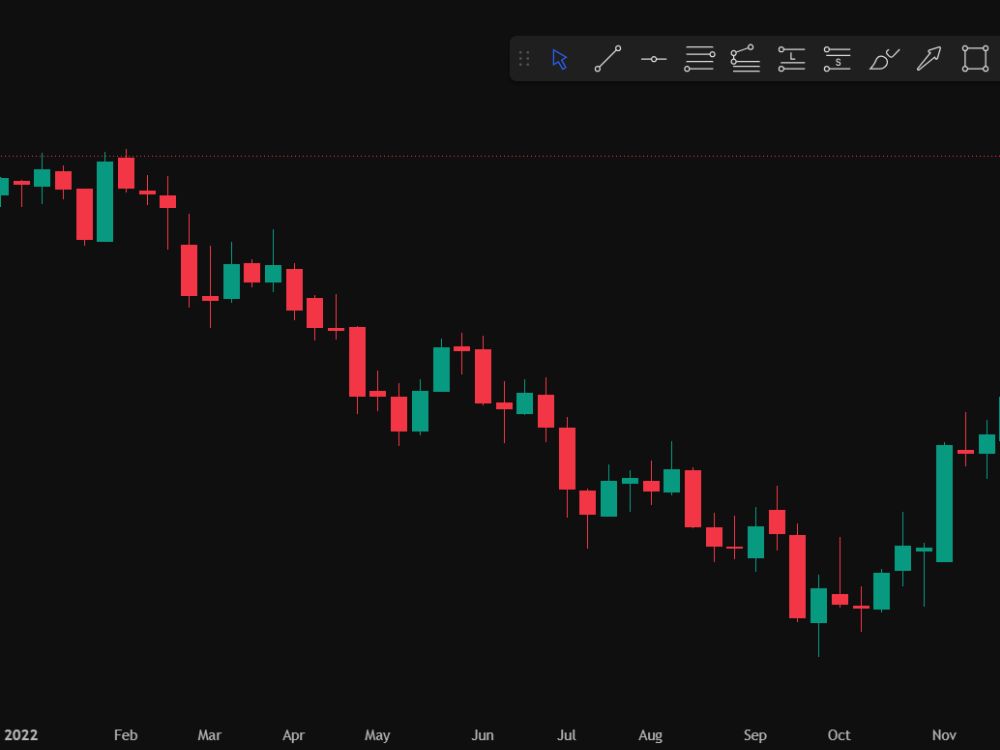
Many traders fail not because their strategy is poor, but because their risk management is inadequate.
Never Risk More Than You Can Afford to Lose
A common rule is risking only 1% to 2% of trading capital on a single trade.
Use Stop Losses
Stop losses help protect capital when the market moves against your position.
Maintain a Trading Journal
Tracking trades helps identify strengths, weaknesses, and areas for improvement.
Avoid Emotional Trading
Fear and greed are responsible for many trading mistakes. Following a trading plan can improve consistency.
Is Swing Trading Profitable?
Yes, swing trading can be profitable when approached with discipline, proper education, and effective risk management.
However, it is important to understand that no trading strategy guarantees profits. Markets are unpredictable, and losses are a normal part of trading.
Successful swing traders focus on:
- Consistency
- Risk control
- Continuous learning
- Emotional discipline
Over time, these factors often matter more than finding the “perfect” strategy.
How Beginners Can Start Swing Trading
If you’re new to trading, follow these steps:
- Learn the basics of technical analysis.
- Understand market structure and trends.
- Develop a trading plan.
- Practice on a demo account.
- Track your results.
- Refine your strategy.
- Transition to real trading only when consistently profitable.
Most professional traders recommend spending significant time on a demo account before risking real money.
Conclusion
Swing trading is one of the most accessible and flexible trading styles available today. It allows traders to take advantage of short- and medium-term market trends without the intense time commitment required by day trading.
By learning technical analysis, implementing sound risk management, and maintaining discipline, traders can improve their chances of long-term success. Whether you are interested in stocks, forex, cryptocurrencies, or commodities, swing trading offers numerous opportunities to participate in financial markets.
The best way to begin is by practicing in a risk-free environment and gaining experience before committing real funds.
👉 Start practicing today with a free demo account: https://affiliate.iqoption.net/redir/?aff=386290&aff_model=revenue&afftrack=blog