Trading success is not determined by how much money you make on winning trades. It is determined by how well you protect your capital during losing trades. This is why risk management is considered one of the most important skills in Forex and cryptocurrency trading.
Many beginners focus entirely on finding profitable entries and ignore the importance of managing risk. They believe that a good strategy alone will make them successful. However, even the best strategy can fail if risk is not controlled properly.
Before risking real money, traders should practice using a demo account. You can start with a free demo account loaded with $10,000 in virtual funds through.
👉 https://affiliate.iqoption.net/redir/?aff=386290&aff_model=revenue&afftrack=blog This allows you to test risk management techniques, practice trading strategies, and gain valuable experience without financial pressure.
What Is Risk Management?
Risk management is the process of controlling potential losses while maximizing long-term profitability.
Every trade carries risk. No strategy can guarantee success on every position. The purpose of risk management is to ensure that a single loss or even a series of losses does not destroy your trading account.
Professional traders understand that preserving capital is their first priority. Without capital, there are no future trading opportunities.
Risk management is not about avoiding losses. Losses are a normal part of trading. Instead, it is about making sure those losses remain small, controlled, and manageable.
The traders who survive in the market for years are not necessarily the ones with the best strategies. They are often the ones who manage risk more effectively than everyone else.
Why Most Traders Fail
One of the biggest reasons traders lose money is because they risk too much on individual trades.
Common mistakes include:
- Using excessive leverage
- Trading without a stop loss
- Risking large portions of account balance
- Increasing position size after losses
- Ignoring trading plans
- Entering trades based on emotions
These mistakes often lead to emotional decisions and significant account drawdowns.
Many traders become so focused on making money that they forget the importance of protecting what they already have. Once a large percentage of an account is lost, recovery becomes much more difficult.
Successful traders think differently. They focus on survival first and profits second.
The 1% Rule
A popular risk management guideline is the 1% rule.
This rule suggests that traders should risk no more than 1% of their account balance on a single trade.
For example:
- $1,000 account = maximum risk of $10
- $5,000 account = maximum risk of $50
- $10,000 account = maximum risk of $100
This approach helps traders survive losing streaks while maintaining emotional stability.
Even ten consecutive losses would not destroy the account.
Many beginners underestimate the power of small risk. They often believe that risking more money will help them grow faster. While larger risk can increase profits, it also increases losses and emotional stress.
Professional traders understand that consistency is more important than quick gains.
Understanding Position Sizing
Position sizing is one of the most overlooked aspects of risk management.
Many traders focus only on finding entries and exits while ignoring the size of their positions. However, position sizing directly determines how much money can be lost on a trade.
A trader with a $5,000 account who follows the 1% rule should never risk more than $50 on a single position. The size of the trade should always be adjusted according to the stop loss distance.
Proper position sizing allows traders to maintain consistency regardless of market conditions.
When position sizing is ignored, traders often expose themselves to unnecessary risk. A single oversized position can erase weeks of profits and damage trading confidence.
The Importance of Stop Losses
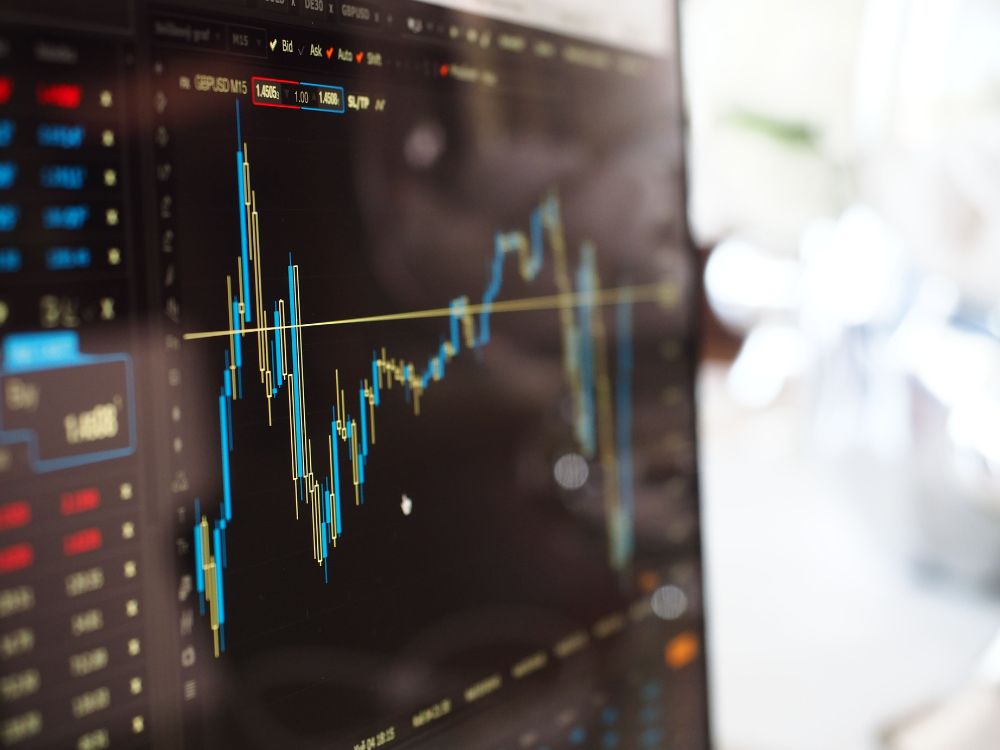
A stop loss is one of the most powerful tools available to traders.
It automatically closes a trade when the market reaches a predetermined loss level.
Benefits of using stop losses include:
- Limiting losses
- Removing emotional decision-making
- Protecting trading capital
- Improving discipline
- Reducing stress
Many traders avoid stop losses because they fear being stopped out before the market moves in their favor.
Unfortunately, avoiding stop losses often results in much larger losses that could have been prevented.
Professional traders accept small losses because they understand that protecting capital is essential for long-term success.
Understanding Risk-to-Reward Ratios
A strong risk-to-reward ratio can significantly improve trading performance.
For example:
- Risk $50 to make $100 = 1:2 ratio
- Risk $100 to make $300 = 1:3 ratio
With proper risk-to-reward ratios, traders do not need to win every trade to remain profitable.
A trader who wins only 40% of trades can still generate profits if their average winning trade is significantly larger than their average losing trade.
This concept changes the way successful traders think about the market. Instead of trying to win every trade, they focus on maximizing gains while controlling losses.
Over time, a positive risk-to-reward ratio can create a strong trading edge.
Managing Emotions Through Risk Control
Risk management and trading psychology are closely connected.
When traders risk too much money, emotions become difficult to control.
Fear increases.
Stress increases.
Impulsive decisions become more common.
By reducing risk per trade, traders gain confidence and remain focused on their strategies.
This leads to better execution and more consistent results.
The less pressure a trader feels, the easier it becomes to follow a trading plan without emotional interference.
Why Demo Trading Matters
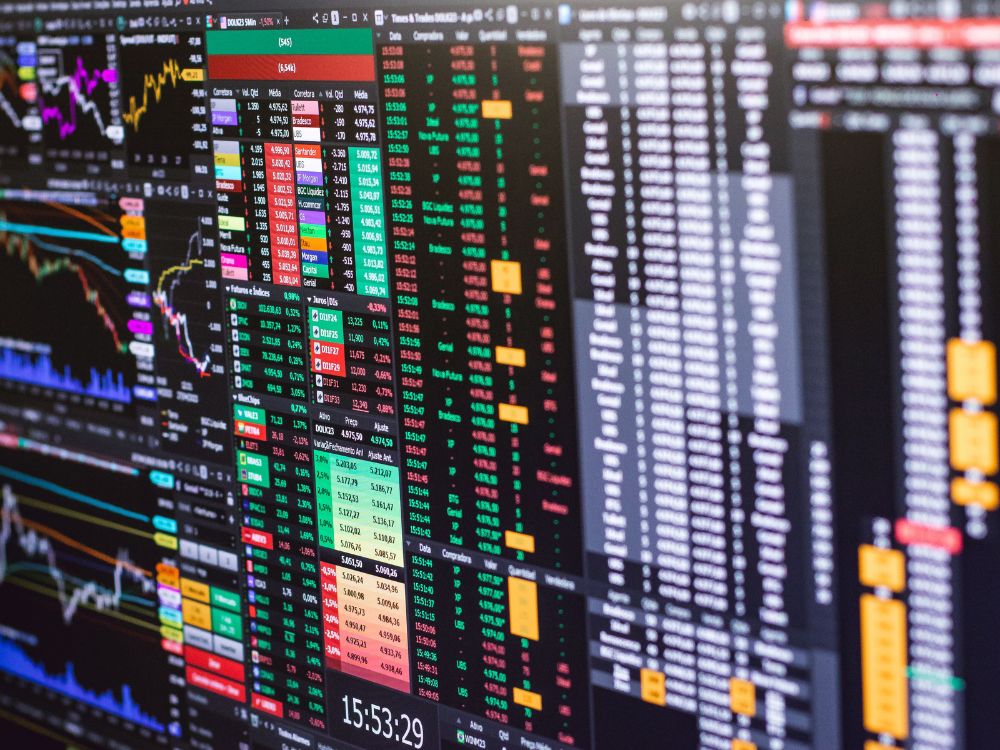
Many beginners underestimate the value of demo trading.
A demo account allows traders to:
- Practice position sizing
- Learn risk management
- Test trading plans
- Build confidence
- Develop discipline
Before risking real capital, consider using a free demo account with $10,000 in virtual funds through. 👉 https://affiliate.iqoption.net/redir/?aff=386290&aff_model=revenue&afftrack=blog
Practicing risk management in a demo environment can help prevent costly mistakes later when real money is involved.
Understanding Drawdowns
A drawdown refers to the decline in account value after a series of losing trades.
Every trader experiences drawdowns at some point.
For example:
- A 10% loss requires an 11.1% gain to recover.
- A 20% loss requires a 25% gain to recover.
- A 50% loss requires a 100% gain to recover.
These numbers clearly show why protecting capital is so important.
Large losses require significantly larger gains just to return to break-even.
By keeping losses small, traders can recover faster and maintain confidence in their trading systems.
Avoiding Revenge Trading
Revenge trading occurs when traders attempt to recover losses immediately after a losing trade.
This behavior often leads to:
- Larger position sizes
- Poor trade selection
- Emotional decision-making
- Additional losses
The best response to a loss is to remain calm and continue following your trading plan.
One trade never defines a trading career.
The goal is to focus on the next high-quality opportunity rather than trying to recover losses as quickly as possible.
Long-Term Thinking
Professional traders focus on long-term performance.
They understand that:
- Losses are normal
- Winning streaks do not last forever
- Consistency matters more than excitement
- Capital preservation is essential
By thinking long term, traders reduce emotional pressure and make better decisions.
Successful trading is a marathon, not a sprint.
Conclusion
Risk management is the foundation of successful Forex and cryptocurrency trading.
Without proper risk control, even the best strategy can fail. Traders who focus on protecting capital give themselves the opportunity to survive, learn, and grow over time.
Whether you are a beginner or an experienced trader, improving your risk management skills can significantly increase your chances of long-term success.
If you want to practice these principles without risking real money, start with a free demo account loaded with $10,000 in virtual funds through.
👉 https://affiliate.iqoption.net/redir/?aff=386290&aff_model=revenue&afftrack=blog
Remember, successful trading is not about making the most money on a single trade. It is about protecting your capital, managing risk wisely, and staying in the game long enough to let your trading edge work in your favor.