
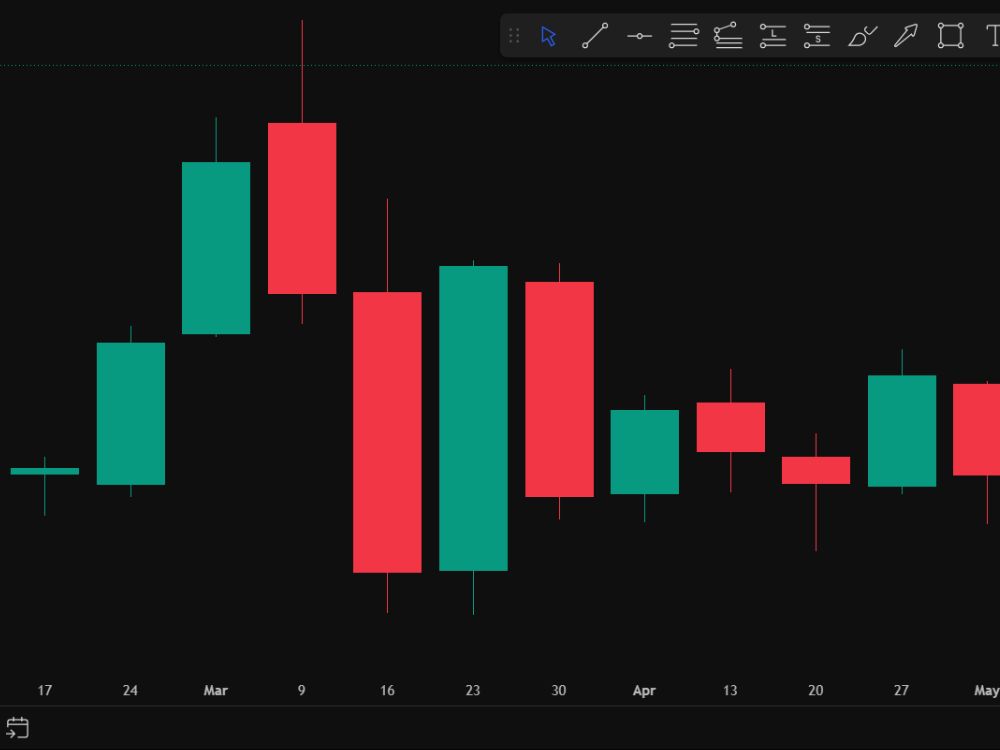
Many new traders believe that success comes from finding the perfect indicator or secret trading system. They spend countless hours adding new tools to their charts, hoping that one of them will finally predict every market move. The truth is much simpler. Successful trading often begins by understanding the market itself instead of depending on indicators. One of the most effective ways to do this is by combining the 1-hour chart with higher timeframes to trade in the direction of the dominant trend.
Before we begin, I’d like to mention that you can currently practice with a $10,000 demo account. Trading on a demo account allows you to improve your strategy, build confidence, and gain experience without risking real money. It is one of the smartest ways to learn before moving to a live account.
👉 https://affiliate.iqoption.net/redir/?aff=386290&aff_model=revenue&afftrack=blog
Why the 1-Hour Chart Is So Popular
The 1-hour timeframe is often considered the perfect balance between short-term and long-term trading. It provides enough trading opportunities during the week while filtering out much of the random market noise that appears on lower timeframes.
Instead of watching every small price movement, traders can wait for quality setups. This reduces emotional decisions and makes it easier to follow a consistent trading plan.
The 1-hour chart is also ideal for people who have jobs, attend school, or simply cannot spend an entire day in front of the computer. Checking the market once every hour is much more realistic than monitoring a one-minute chart all day.
However, one of the biggest mistakes traders make is looking only at the 1-hour chart. Every timeframe tells part of the story, but the higher timeframes reveal the bigger picture.
Always Start with the Higher Timeframes
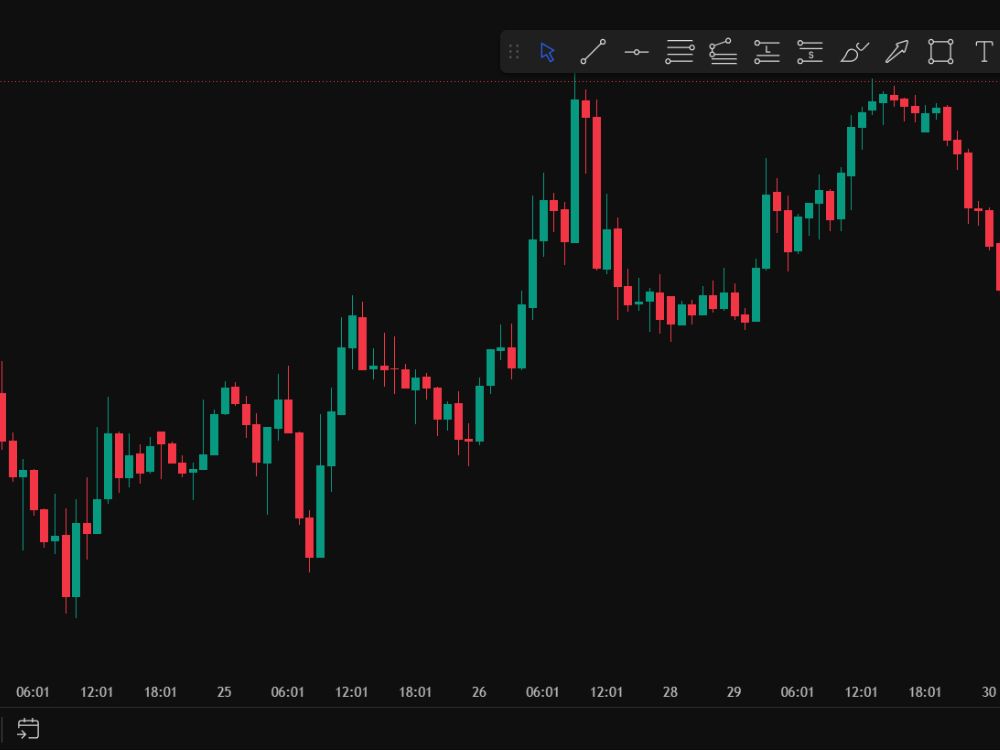
Professional traders rarely begin their analysis on the chart where they plan to enter a trade. Instead, they first study the larger market structure.
The Weekly chart shows the long-term direction of the market. It highlights major trends, important support and resistance zones, and the overall strength of buyers or sellers. Even if you never place trades based on the Weekly chart, it provides valuable context that helps you avoid trading against the strongest market forces.
Next comes the Daily chart. This timeframe helps identify whether the market is continuing its trend or beginning to slow down. Daily highs and lows often become important reference points because many institutional traders pay attention to these levels.
After checking the Daily chart, move to the 4-hour timeframe. This chart acts as the bridge between the higher timeframes and your trading timeframe. It often shows pullbacks, breakouts, and continuation patterns much more clearly than the 1-hour chart.
Only after understanding these three timeframes should you begin looking for opportunities on the 1-hour chart.
Trading with the Trend
One of the simplest ways to improve consistency is by trading in the same direction as the higher timeframe trend.
Imagine that the Weekly, Daily, and 4-hour charts are all making higher highs and higher lows. This tells you that buyers are controlling the market.
Instead of trying to predict a reversal, wait for the 1-hour chart to pull back before looking for buying opportunities.
The opposite is also true. If the higher timeframes show lower highs and lower lows, sellers are in control. In this situation, focusing on selling opportunities often provides higher-probability trades.
Trading with the dominant trend does not guarantee success, but it increases the probability that your trades are moving with the strongest market momentum instead of fighting against it.
Let Price Come to You
Patience is one of the most valuable skills in trading.
Many beginners feel they must always be in a trade. As a result, they enter positions simply because the market is moving, not because their strategy gives a valid signal.
Professional traders think differently. They allow the market to come to their areas of interest before making any decision.
Support and resistance zones identified on the Daily and 4-hour charts often become excellent locations to watch for setups on the 1-hour chart.
Instead of chasing price, let the market reach these important areas and observe how buyers and sellers react. This simple habit can dramatically improve the quality of your trades.
Wait for Confirmation
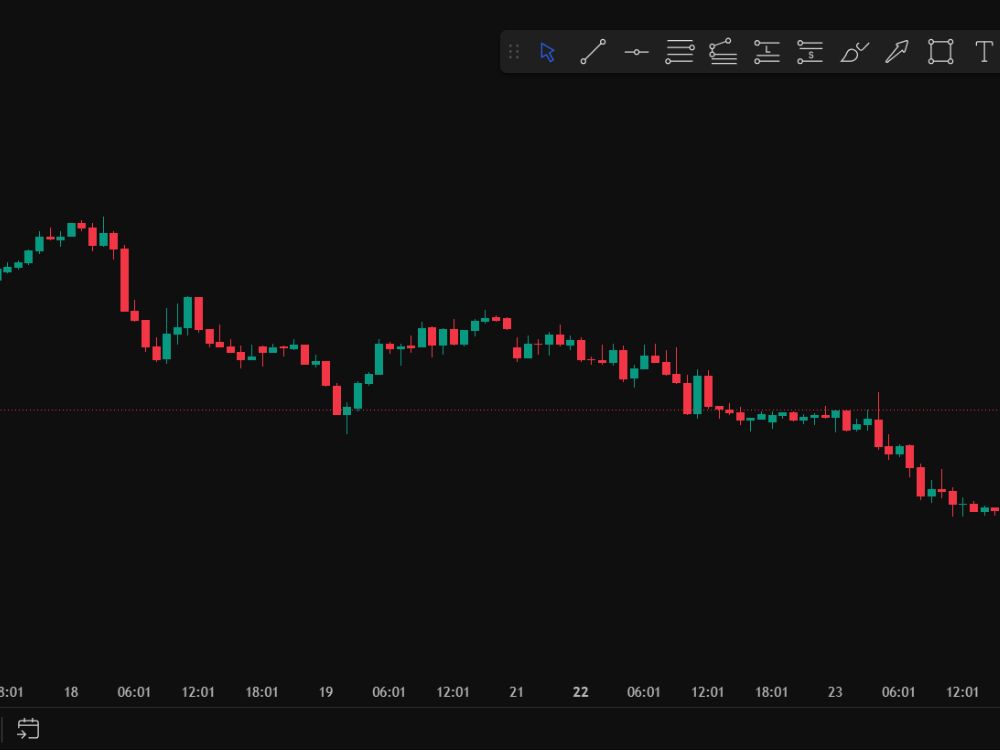
Once price reaches an important level from the higher timeframes, patience remains essential.
Rather than entering immediately, wait for confirmation through price action.
Large rejection candles, strong bullish or bearish closes, failed breakouts, and clear shifts in market momentum can all provide additional confidence that the market is respecting the level.
Waiting for confirmation helps filter out many false breakouts that trap impatient traders.
As mentioned earlier, you can currently practice with a $10,000 demo account
👉 https://affiliate.iqoption.net/redir/?aff=386290&aff_model=revenue&afftrack=blog
Managing Risk on Every Trade
Even the strongest market trend cannot guarantee that every trade will be profitable. For this reason, successful traders focus just as much on protecting their capital as they do on finding good entries.
Before opening any position, determine exactly where your trade idea becomes invalid. That level should define your stop-loss, not your emotions. Never move a stop-loss simply because you hope the market will reverse. Accepting a small loss is part of professional trading, while allowing one bad trade to become a large loss can damage both your account and your confidence.
Many experienced traders risk only a small percentage of their account on each trade. This approach allows them to survive losing streaks while staying ready for the next high-quality opportunity.
Consistency is built by protecting your trading capital first and growing it gradually over time.
Develop a Trading Routine
One of the biggest differences between profitable traders and struggling traders is routine.
Before every trading session, review the Weekly chart to understand the long-term trend. Then analyze the Daily chart to locate important support and resistance zones. After that, examine the 4-hour chart to see whether the market is pulling back, continuing its trend, or beginning to reverse.
Only then should you move to the 1-hour chart and wait for a setup that matches the higher timeframe direction.
Following the same routine every day creates discipline. Instead of making random decisions, every trade becomes part of a structured process.
Avoid Common Trading Mistakes
Many beginners lose money for the same reasons.
One common mistake is trading against the higher timeframe trend. While countertrend trades sometimes work, they usually carry more risk and require much more experience.
Another mistake is entering trades because of excitement rather than analysis. Fast-moving markets often tempt traders to chase price, only to watch the market reverse shortly afterward.
Overtrading is another serious problem. Not every hour provides a good setup, and that’s perfectly normal. Sometimes the best decision is simply to wait.
Finally, never allow emotions to control your trading. Fear, greed, and impatience can quickly destroy even the best strategy. A calm, disciplined trader usually performs much better than someone constantly searching for action.
Conclusion
A successful 1-hour trading strategy does not require complicated indicators or expensive software. In many cases, the most reliable information is already visible on the chart. By starting your analysis with the Weekly, Daily, and 4-hour timeframes, you gain a much better understanding of the overall market direction before making decisions on the 1-hour chart.
This multi-timeframe approach helps you avoid trading against the dominant trend, improves the quality of your setups, and encourages patience. Instead of reacting to every small price movement, you learn to wait for opportunities that align with the bigger picture.
Remember that consistency is not about winning every trade. It is about following the same proven process over and over again. Focus on reading market structure, respecting higher timeframe trends, managing your risk carefully, and remaining disciplined even after a series of wins or losses.
Trading is a skill that develops through practice, observation, and continuous learning. The more time you spend understanding price movement instead of searching for shortcuts, the stronger your decision-making will become. Stay patient, protect your capital, and allow experience to build your confidence one trade at a time.
If you’re ready to start practicing this simple yet powerful approach, begin with a $10,000 demo account, develop your skills, and only move to live trading when you can consistently follow your plan. Success in trading comes from preparation, discipline, and a clear understanding of the market—not from chasing quick profits.
👉 https://affiliate.iqoption.net/redir/?aff=386290&aff_model=revenue&afftrack=blog