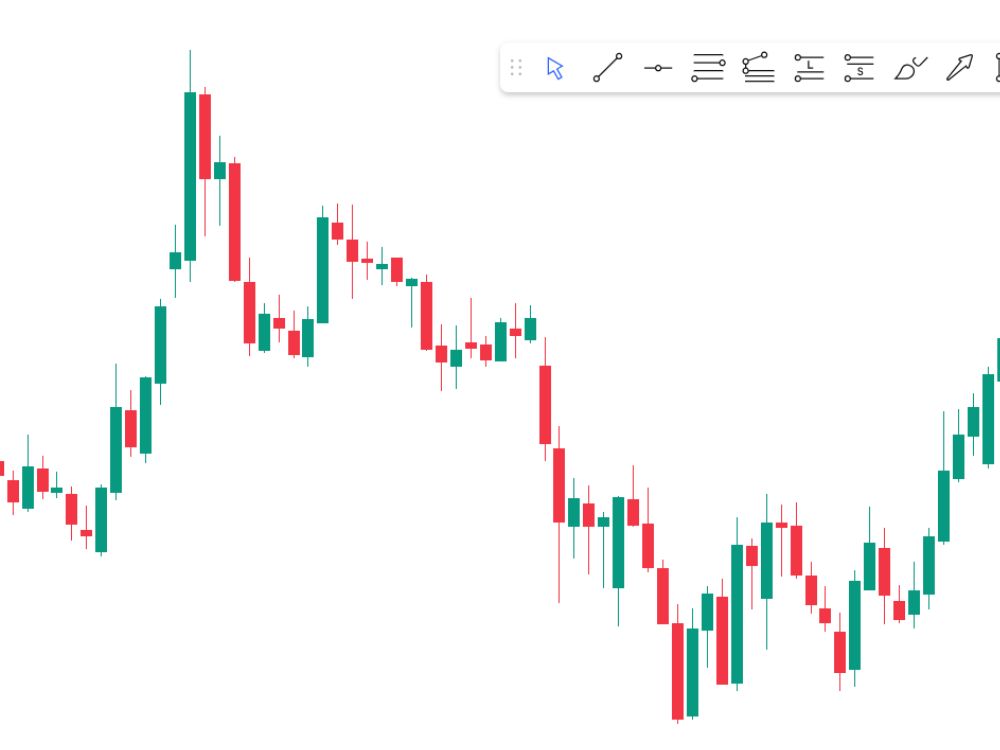
Understanding market structure is one of the biggest differences between beginner traders and professional traders. While many newcomers focus on indicators and trading signals, experienced traders first analyze how price is moving before making any decision.
If you want to develop a professional mindset and practice reading the market without risking your own money, starting with a demo account is one of the smartest choices. You can practice with $10,000 in demo funds, test your strategies, and build confidence before trading live.
👉 Start practicing with a FREE $10,000 Demo Account here:
https://affiliate.iqoption.net/redir/?aff=386290&aff_model=revenue&afftrack=blog
What Is Market Structure?
Market structure refers to the way price moves over time. It helps traders identify trends, reversals, and potential trading opportunities by analyzing highs, lows, and the overall direction of the market.
Rather than relying on complicated indicators, professional traders focus on the natural behavior of price.
Every financial market—including Forex, stocks, cryptocurrencies, commodities, and indices—follows the same basic principles of market structure because they all reflect the balance between buyers and sellers.
Learning to recognize these patterns allows traders to anticipate possible future movements instead of reacting emotionally.
Why Professional Traders Focus on Market Structure
One of the biggest mistakes beginners make is entering trades simply because an indicator gives a buy or sell signal.
Professionals understand that indicators only interpret past price action.
Market structure, however, shows what buyers and sellers are actually doing in real time.
This provides valuable information such as:
- Whether buyers are in control.
- Whether sellers are taking over.
- Whether the trend is strengthening.
- Whether momentum is weakening.
- Where liquidity may exist.
- Where institutional traders may enter positions.
Reading market structure first allows professionals to filter out poor trading opportunities and improve decision-making.
The Three Main Market Conditions
Every market generally exists in one of three conditions.
1. Uptrend
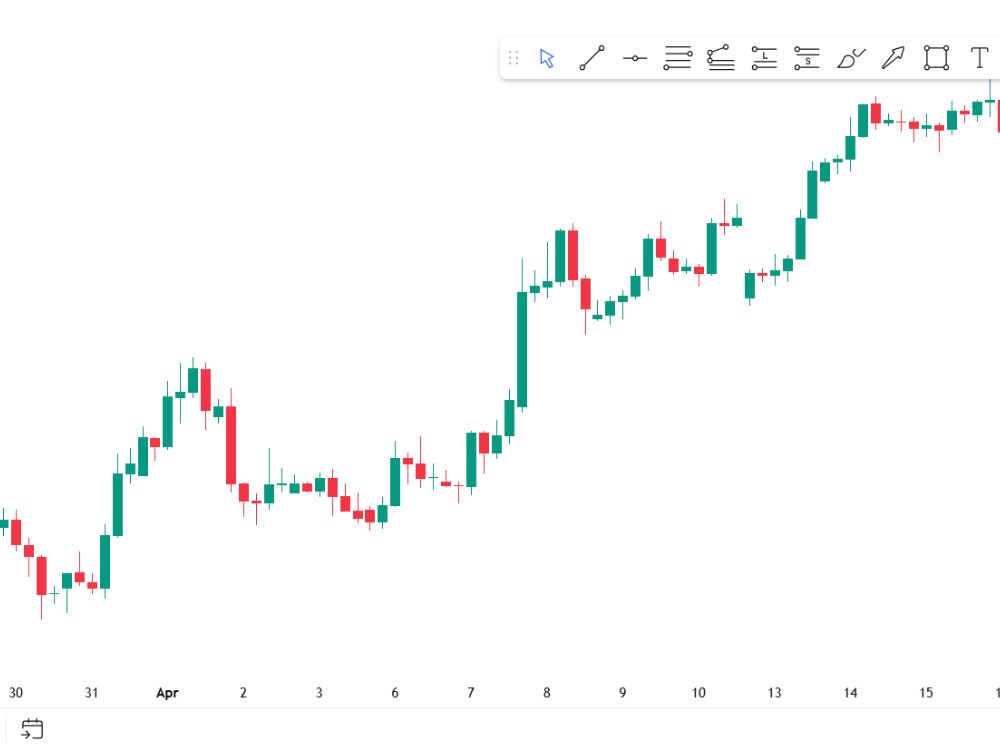
An uptrend forms when price consistently creates:
- Higher Highs (HH)
- Higher Lows (HL)
This tells us that buyers continue pushing the market upward.
Instead of chasing price, professionals often wait for pullbacks toward higher lows before looking for buying opportunities.
Patience is essential.
Buying after a strong rally without waiting for a retracement usually increases risk.
2. Downtrend
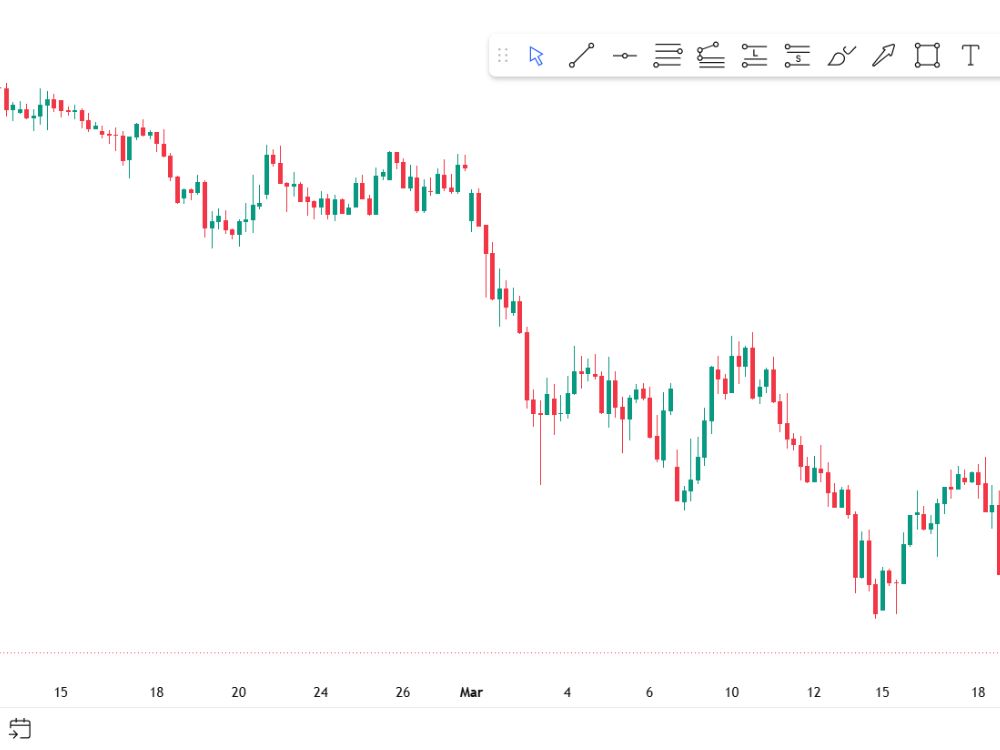
A downtrend occurs when price creates:
- Lower Highs (LH)
- Lower Lows (LL)
This indicates sellers have control.
Professional traders usually avoid buying against a strong downtrend unless there is clear evidence of a reversal.
Instead, they wait for price to retrace toward resistance before considering sell positions.
3. Range (Sideways Market)
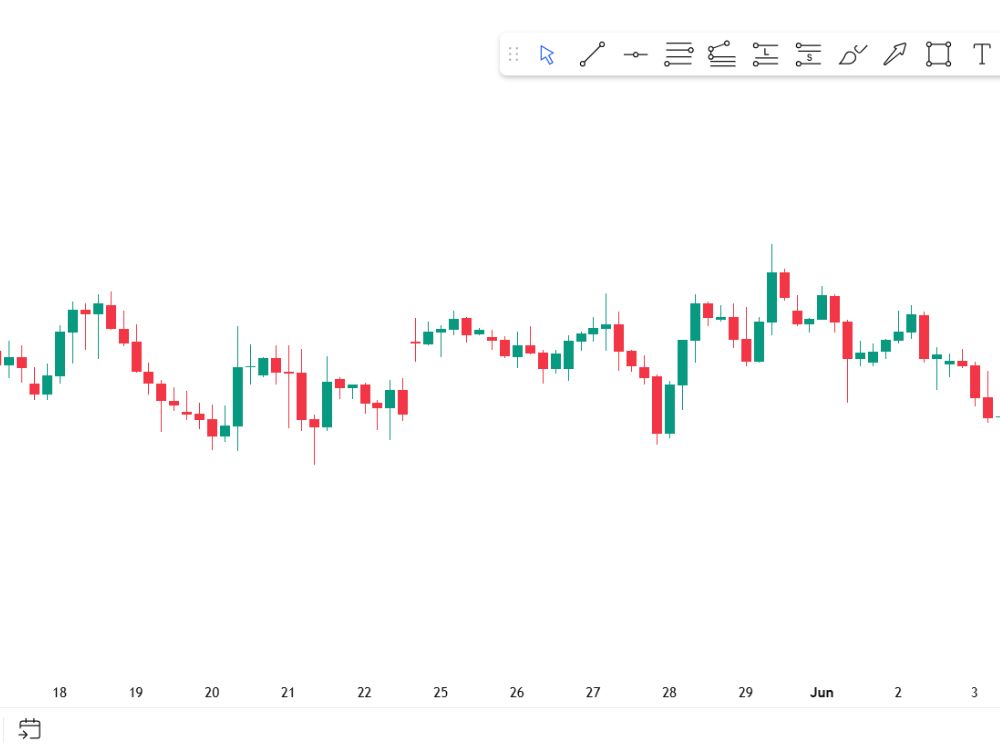
Not every market trends.
Sometimes price moves between support and resistance without creating new highs or lows.
This is called consolidation or ranging.
Many beginners lose money because they continue applying trend strategies during sideways conditions.
Professionals first identify the market condition before selecting a strategy.
Understanding Swing Highs and Swing Lows
Swing highs and swing lows are the building blocks of market structure.
A swing high represents a temporary peak where sellers become stronger.
A swing low represents a temporary bottom where buyers regain control.
Connecting these swings helps traders understand whether price is:
- Trending upward
- Trending downward
- Consolidating
Without identifying swings correctly, traders often misinterpret market direction.
Break of Structure (BOS)
One of the most important concepts professionals watch is the Break of Structure.
A Break of Structure occurs when price breaks an important previous high or low.
For example:
During an uptrend:
Higher High → Pullback → Higher Low → New Higher High
When price breaks above the previous high, it confirms buyers remain in control.
Likewise, in a downtrend, breaking below the previous low confirms sellers still dominate.
Many professional traders wait for this confirmation before entering trades.
Change of Character (CHoCH)
A Change of Character often signals the first warning that a trend may be ending.
Imagine price has been creating:
Higher High
Higher Low
Higher High
Higher Low
Suddenly price breaks below the previous higher low.
That unexpected move suggests buyers may be losing control.
It doesn’t guarantee a reversal.
However, it alerts professionals to pay closer attention.
CHoCH is commonly used together with other confirmations such as volume, support/resistance, and liquidity.
Liquidity and Market Structure
Professional traders understand that markets don’t move randomly.
Large institutions require liquidity to execute significant orders.
This often explains why price briefly moves above resistance or below support before reversing.
These moves are sometimes called liquidity grabs.
Retail traders may believe the breakout is genuine.
Professionals recognize that these false breakouts often occur before the real move begins.
Understanding liquidity within market structure helps avoid many unnecessary losses.
If you’re serious about mastering these concepts, it’s worth practicing them in a risk-free environment first. A $10,000 demo account gives you the opportunity to identify trends, Breaks of Structure, and Changes of Character without risking real money.
👉 Open your FREE $10,000 Demo Account here:
https://affiliate.iqoption.net/redir/?aff=386290&aff_model=revenue&afftrack=blog
Support and Resistance
Support and resistance become much more powerful when combined with market structure.
Support is an area where buyers historically enter the market.
Resistance is an area where sellers become active.
Instead of drawing dozens of horizontal lines, professionals identify only the most significant levels.
These zones become even stronger when they align with:
- Higher lows
- Lower highs
- Break of Structure
- Trend continuation
The more confirmations present, the stronger the potential setup.
Multi-Timeframe Analysis
Professionals rarely analyze only one chart.
They combine multiple timeframes.
For example:
Daily chart:
Determine overall trend.
4-hour chart:
Locate important market structure.
1-hour chart:
Find possible entry zones.
15-minute chart:
Fine-tune trade execution.
This top-down approach prevents traders from entering positions against the larger trend.
Common Mistakes Beginners Make
Learning market structure takes practice.
Some frequent mistakes include:
Ignoring the overall trend.
Trading every breakout.
Buying resistance.
Selling support.
Entering without confirmation.
Overcomplicating charts with indicators.
Switching strategies too often.
Professional traders simplify their charts and focus on price itself.
Risk Management Still Comes First
Even the best market structure analysis cannot predict every price movement.
Unexpected news events, economic releases, and institutional activity can invalidate any setup.
This is why professionals prioritize risk management.
They determine:
Entry price.
Stop-loss level.
Take-profit target.
Risk-to-reward ratio.
Position size.
Protecting capital always comes before making profits.
Building Confidence Through Practice
Reading market structure is like learning a new language.
At first, charts may appear confusing.
Over time, patterns become easier to recognize.
The key is consistent practice.
Instead of risking real money immediately, spend time identifying:
Higher highs.
Higher lows.
Lower highs.
Lower lows.
Breaks of Structure.
Changes of Character.
Support.
Resistance.
Liquidity zones.
As you review more charts, your confidence naturally increases.
Conclusion
Market structure is one of the most valuable skills any trader can develop.
Rather than depending solely on indicators, professionals read price itself to understand who controls the market.
By recognizing trends, identifying Breaks of Structure, understanding Changes of Character, and combining these concepts with proper risk management, traders can make more informed decisions.
Remember that no strategy wins every trade.
The goal is not perfection but consistency.
Developing patience, discipline, and a deep understanding of market structure will give you a significant advantage over traders who rely only on indicators or emotions.
Before risking real capital, practice everything you’ve learned using a FREE $10,000 demo account. It allows you to gain experience, test strategies, and improve your market-reading skills without financial pressure.
👉 Start your FREE $10,000 Demo Account today:
https://affiliate.iqoption.net/redir/?aff=386290&aff_model=revenue&afftrack=blog