
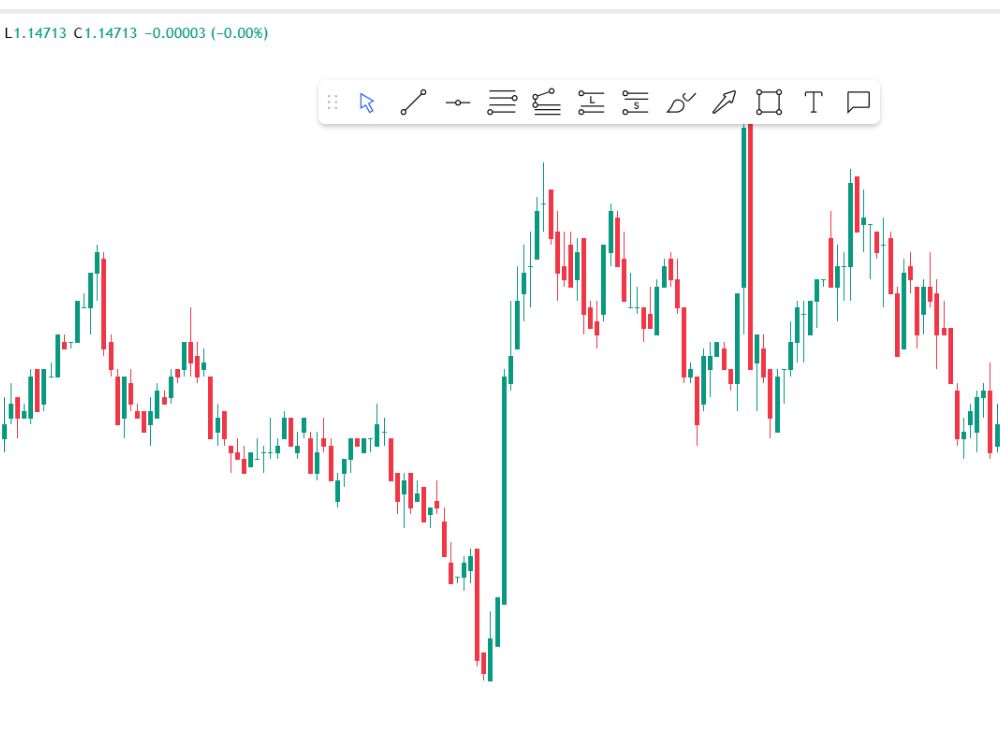
Why Scalping Is One of the Fastest Trading Strategies
Scalping is one of the fastest trading styles in financial markets. It focuses on capturing very small price movements that happen throughout the trading day.
Unlike swing trading or long-term investing, scalping is measured in seconds and minutes, not hours or days. This speed is what makes it both exciting and challenging.
In real trading conditions, scalping trades can last:
- 5 to 15 seconds in ultra-fast market conditions
- 15 to 30 seconds during high volatility
- 30 seconds to 1 minute in active sessions
- 1 to 3 minutes in normal conditions
- Up to 5 minutes when momentum slows down
This means a scalper is constantly making fast decisions, entering and exiting trades almost immediately after spotting an opportunity.
Because of this intense speed, many traders prefer to practice in a risk-free environment before using real money.
Practice Before Trading Live
Scalping requires speed, precision, and emotional control. New traders often underestimate how fast decisions must be made.
👉 https://affiliate.iqoption.net/redir/?aff=386290&aff_model=revenue&afftrack=blog 10,000 DEMO ACCOUNT OFFER
A demo account allows traders to simulate real market conditions and practice trading in seconds and minutes without financial risk. This helps improve execution timing, strategy testing, and decision-making under pressure.
What Is Scalping in Day Trading?
Scalping is a trading strategy focused on profiting from very small price movements repeatedly throughout the day.
Instead of aiming for large profits in one trade, scalpers aim for many small profits across multiple trades.
A typical scalper:
- Enters and exits trades within seconds or minutes
- Takes many trades per day
- Focuses on small, quick price changes
- Relies on consistency instead of big wins
The idea is simple:
👉 Small gains repeated many times = overall profit
For example, a trader may take 10–30 trades in a single day, each lasting only seconds or a few minutes.
Why Seconds and Minutes Matter in Scalping
Time is the most important factor in scalping. Every second matters, and hesitation can completely change a trade outcome.
Scalping is divided into three main time categories:
Ultra-Fast Scalping (5–15 seconds)
This is the fastest style of trading.
- Entry and exit happen almost instantly
- Requires extremely fast execution
- Used during high volatility spikes
- Very small exposure to market risk
Fast Scalping (15–60 seconds)
This is the most common professional approach.
- Slight confirmation before entering
- Balanced speed and accuracy
- Used in active market sessions
Standard Scalping (1–5 minutes)
This is the slowest form of scalping.
- More structure in price action
- Slightly easier decision-making
- Still considered scalping due to short duration
👉 Anything longer than 5–10 minutes is usually no longer scalping.
Why Traders Choose Scalping
Scalping is popular for several reasons.
Constant Market Opportunities
Markets move every second, creating many trading opportunities.
No Overnight Risk
Positions are closed quickly, avoiding news gaps or unexpected events.
Fast Feedback
Traders immediately see if their decision was right or wrong.
Active Trading Style
Ideal for traders who prefer fast action and continuous engagement.
Psychology Behind Scalping Success
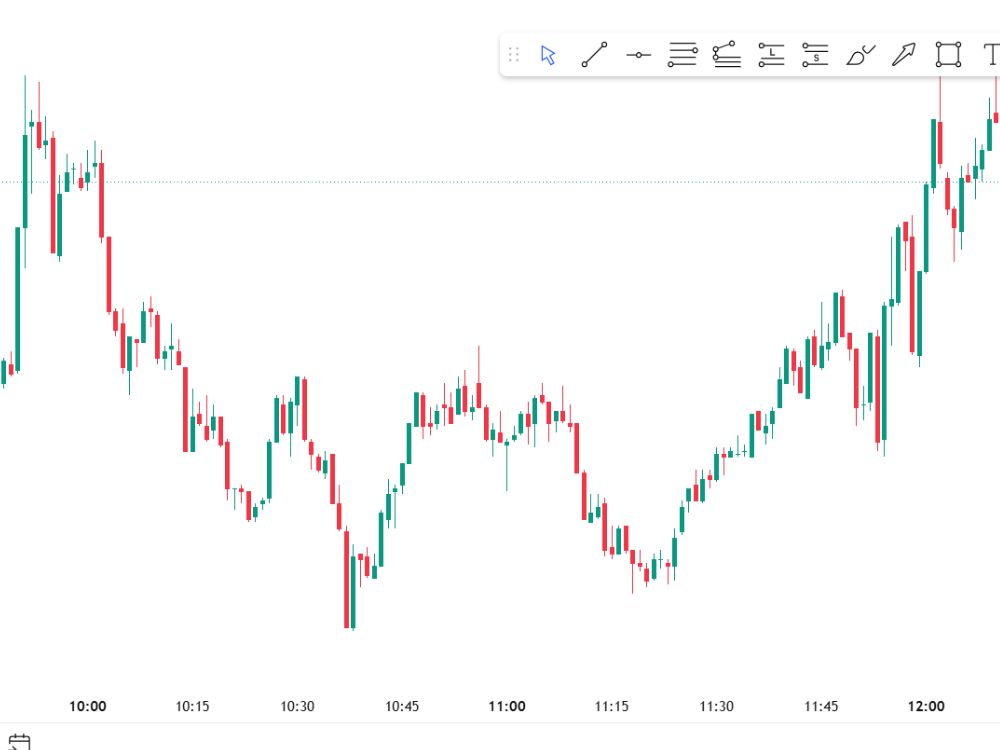
Scalping is not only technical — it is highly psychological.
Because trades happen in seconds, emotions must be controlled.
Successful scalpers develop:
- Strong discipline
- Fast decision-making skills
- Emotional stability
- Ability to accept small losses
- Consistency under pressure
One emotional mistake can erase several good trades because everything happens so quickly.
Essential Tools for Scalping
Fast Execution Platform
Speed is critical. Even a delay of one second can affect results.
Real-Time Data
Scalpers depend on live market movement to make instant decisions.
Short Timeframe Charts
Common choices:
- 1-minute charts
- Tick charts
- Price movement (seconds-based view)
Indicators Used
- VWAP
- Moving Averages
- RSI
- MACD
- Volume tools
Indicators help confirm direction but should not slow execution.
Proven Scalping Strategies
Breakout Scalping
Entering when price breaks support or resistance with strong momentum.
Pullback Scalping
Entering after a small retracement in a strong trend.
Range Scalping
Buying low and selling high inside sideways markets.
News Scalping
Trading fast volatility during major economic announcements.
At this point, understanding strategy is not enough. Execution speed in seconds and minutes becomes the real skill.
That is why practice is extremely important before going live.
👉 https://affiliate.iqoption.net/redir/?aff=386290&aff_model=revenue&afftrack=blog 10,000 DEMO ACCOUNT OFFER
A demo account helps traders train reaction time, test strategies, and improve consistency without risking money.
Risk Management in Scalping
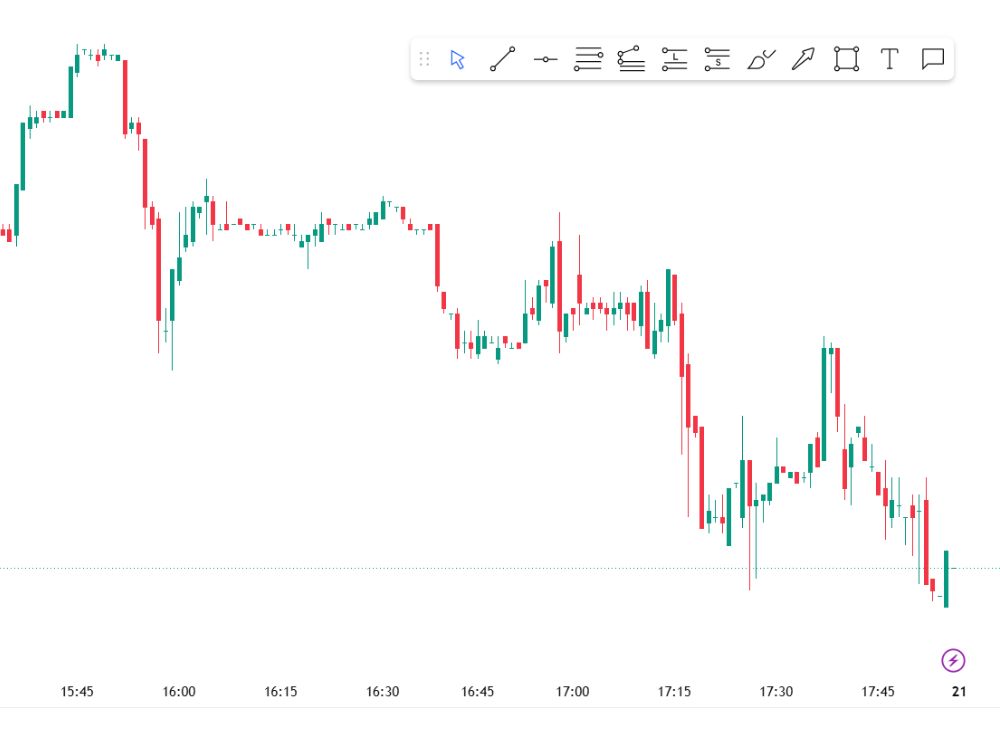
Even though scalping is fast, risk management is still essential.
Always Use Stop Loss
Every trade must have a predefined exit point.
Small Position Sizes
Protect capital by avoiding large exposure on single trades.
Avoid Overtrading
More trades do not guarantee better results.
Keep a Trading Journal
Tracking trades helps improve performance over time.
Common Scalping Mistakes
- Holding trades too long (turning scalping into swing trading)
- Entering without confirmation
- Emotional trading decisions
- Ignoring spreads and fees
- Overleveraging
How Beginners Should Start Scalping
- Learn market basics
- Understand seconds vs minutes trading
- Practice on demo account
- Focus on one strategy only
- Improve execution speed
- Use strict risk rules
- Move to live trading gradually
Frequently Asked Questions
How long does scalping last?
Scalping trades typically last between 5 seconds and 5 minutes, depending on market conditions.
Is scalping good for beginners?
It is difficult but possible with practice and discipline.
What markets are best for scalping?
Forex, indices, futures, and crypto markets with high liquidity.
Can scalping be profitable?
Yes, but only with discipline, consistency, and strong risk management.
Conclusion
Scalping is one of the fastest trading styles in financial markets. It is based on seconds and minutes, requiring precision, discipline, and fast execution.
Success does not come from predicting large moves, but from executing many small trades consistently over time.
Before trading with real money, practicing in a demo environment is essential to build speed, confidence, and emotional control.
👉 https://affiliate.iqoption.net/redir/?aff=386290&aff_model=revenue&afftrack=blog 10,000 DEMO ACCOUNT OFFER
Long-term success in scalping comes from mastering execution in seconds and minutes while maintaining strict discipline and risk control.