Most traders believe success in Forex and cryptocurrency markets comes from finding the perfect strategy. They spend countless hours testing indicators, studying charts, and searching for the next big opportunity. While technical knowledge is important, the reality is that trading success depends on much more than market analysis. One of the most overlooked factors is trading psychology.
Many traders fail not because their strategy is bad, but because they allow emotions to control their decisions. Fear, greed, impatience, and overconfidence can turn a profitable system into a losing one. Learning how to manage these emotions is essential for anyone who wants long-term success in the financial markets.
Before risking real money, it’s a good idea to build experience in a risk-free environment. You can start with a free demo account that includes $10,000 in virtual funds through.
👉 https://affiliate.iqoption.net/redir/?aff=386290&aff_model=revenue&afftrack=blog A demo account allows you to practice trading, test strategies, and improve your discipline without financial risk.
What Is Trading Psychology?
Trading psychology refers to the mental and emotional aspects that influence trading decisions. Every trader experiences emotions while interacting with the market. The challenge is learning how to control those emotions instead of letting them control your actions.
Markets are unpredictable by nature. Prices move up and down constantly, creating opportunities as well as risks. When money is involved, emotions naturally become stronger. This is why many traders make irrational decisions, even when they know what they should do.
The most common psychological challenges include:
- Fear of losing money
- Greed for larger profits
- Lack of patience
- Overconfidence after winning trades
- Stress during losing streaks
- Revenge trading after losses
Developing emotional discipline is one of the most valuable skills a trader can acquire.
Fear: The Emotion That Holds Traders Back
Fear is one of the biggest obstacles in trading. It can prevent traders from following their plans and taking valid opportunities.
Fear often appears when traders:
- Close winning trades too early
- Avoid entering quality setups
- Move stop losses unnecessarily
- Hesitate when market conditions match their strategy
This emotion is usually caused by previous losses or by risking too much money on a single trade.
Professional traders understand that losses are part of the business. They do not expect every trade to be a winner. Instead, they focus on executing their strategy consistently and letting probabilities work over time.
Reducing risk per trade is one of the best ways to reduce fear and improve decision-making.
How Greed Impacts Trading Performance
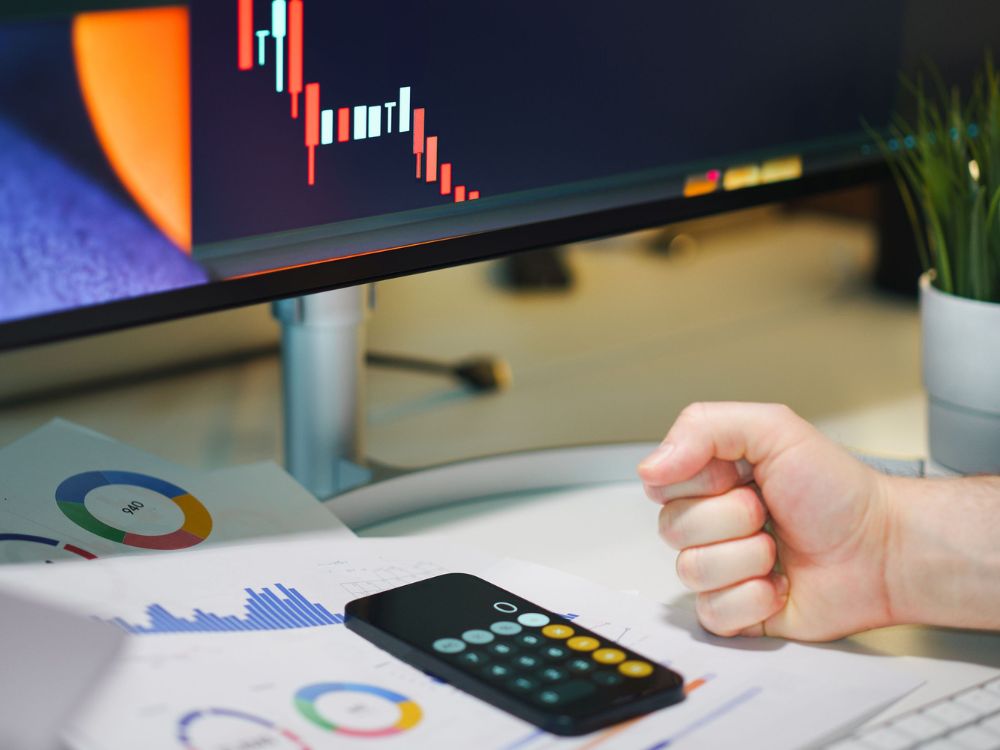
While fear causes hesitation, greed encourages traders to take excessive risks.
Greed often leads to behaviors such as:
- Increasing position sizes too quickly
- Ignoring profit targets
- Removing stop losses
- Taking unnecessary trades
- Chasing the market after large moves
Many traders experience a winning streak and begin to feel invincible. They start believing they can predict every market movement. This mindset usually ends with significant losses.
Successful traders understand that the goal is not to maximize profits on every trade. The goal is to achieve consistent results over hundreds of trades.
Discipline is always more important than excitement.
The Problem With Overtrading
Overtrading is one of the most common mistakes among Forex and crypto traders.
This happens when traders open too many positions, often without valid reasons.
Common causes include:
- Boredom
- Emotional reactions to losses
- Desire to recover money quickly
- Addiction to market activity
Many beginners believe they must trade constantly to make money. In reality, professional traders are highly selective. They wait patiently for setups that match their trading plans.
Sometimes the most profitable decision is to stay out of the market and wait for a better opportunity.
Why a Demo Account Is Important
A demo account can play a crucial role in developing trading psychology.
Practicing in a simulated environment allows traders to gain experience without risking real money. It also provides an opportunity to build confidence and test strategies under real market conditions.
Benefits of a demo account include:
- Learning platform functionality
- Testing new trading strategies
- Practicing risk management
- Building discipline
- Developing emotional control
Many traders rush into live trading before they are ready. This often leads to unnecessary losses and frustration.
A better approach is to start with a demo account funded with $10,000 in virtual money through. 👉https://affiliate.iqoption.net/redir/?aff=386290&aff_model=revenue&afftrack=blog This allows you to develop the habits and confidence needed for long-term success.
Risk Management and Emotional Control
Risk management is closely connected to trading psychology.
When traders risk too much capital on a single position, emotions become difficult to control. Every market movement feels significant, leading to impulsive decisions.
Good risk management helps traders remain calm and objective.
Some essential risk management principles include:
Risk a Small Percentage Per Trade
Many professional traders risk only 1% or 2% of their account balance on each trade.
Always Use a Stop Loss
A stop loss protects your capital and removes the need for emotional decision-making during volatile market conditions.
Avoid Excessive Leverage
Leverage can increase profits, but it can also magnify losses. Using too much leverage creates unnecessary psychological pressure.
Focus on Long-Term Performance
Individual trades do not determine success. Consistent execution over time is what matters most.
Developing a Winning Trading Mindset
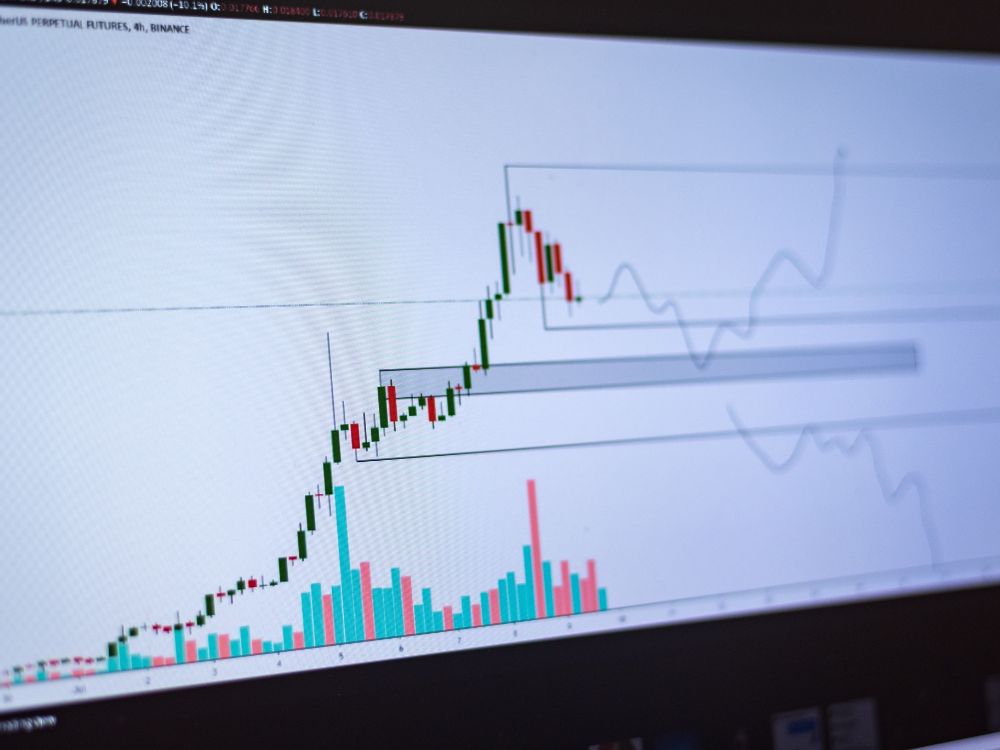
Successful traders share several psychological characteristics that help them remain profitable.
They Accept Losses
Losses are unavoidable in trading. Even the best strategies experience losing trades.
Professional traders understand this reality and avoid emotional reactions when losses occur.
They Focus on Process
Instead of obsessing over individual results, successful traders focus on following their plans.
A trade can be considered successful even if it loses money, provided it followed the rules of the strategy.
They Think in Probabilities
No trader can predict the future with complete accuracy.
Markets operate on probabilities, not certainties. Professional traders understand that their edge becomes visible only after a large sample of trades.
They Remain Patient
Patience is a major competitive advantage in trading.
The market provides opportunities every day. There is no need to force trades or chase price movements.
Waiting for the right setup often leads to better results and lower stress.
Keeping a Trading Journal
One of the most effective ways to improve trading psychology is by maintaining a trading journal.
A trading journal should include:
- Entry and exit points
- Trade rationale
- Risk level
- Emotional state
- Trade outcome
- Lessons learned
Reviewing past trades helps identify patterns and mistakes.
Over time, traders gain valuable insights into their behavior and decision-making process. This self-awareness can significantly improve performance.
Conclusion
Trading psychology is one of the most important factors in Forex and cryptocurrency trading. While strategies and technical analysis are important, emotional control often determines whether a trader succeeds or fails.
Fear, greed, impatience, and overconfidence affect every trader at some point. The key is learning how to manage these emotions through discipline, risk management, and continuous self-improvement.
Building a strong trading mindset takes time, but the rewards are worth the effort. Traders who master their emotions are far more likely to achieve consistent results and long-term profitability.
If you’re serious about improving your trading skills, consider starting with a free demo account that includes $10,000 in virtual funds through.
👉 https://affiliate.iqoption.net/redir/?aff=386290&aff_model=revenue&afftrack=blog It provides an excellent opportunity to practice, gain experience, and develop the confidence needed before trading with real money.
Remember, the biggest challenge in trading is not the market itself—it’s learning to control your own mind.