

One of the biggest mistakes beginner traders make in the Forex market is blindly entering trades after a breakout. A price breaks above resistance or below support, and traders rush into the market expecting a strong move. However, many of these breakouts fail, trapping traders in losing positions.
These situations are known as false breakouts, and learning how to identify them can dramatically improve your trading performance.
Before risking real money, it is important to practice identifying false breakouts in a demo environment. Many traders use IQ Option’s $10,000 demo account to test strategies, understand market behavior, and gain experience without financial risk.
👉 https://affiliate.iqoption.net/redir/?aff=386290&aff_model=revenue&afftrack=blog
In this guide, you’ll learn what false breakouts are, why they happen, how professional traders spot them, and how you can avoid becoming trapped by them.
What Is a False Breakout?
A false breakout occurs when the price temporarily moves beyond a significant support or resistance level but fails to continue in that direction.
Instead of creating a new trend, the market quickly reverses and moves back inside the original range.
This often tricks traders into entering positions at the worst possible moment.
For example:
- EUR/USD is trading below a resistance level.
- Price suddenly breaks above resistance.
- Traders buy expecting further upside.
- A few candles later, the market reverses.
- Price falls back below resistance.
- Buyers become trapped and start selling.
This creates a powerful move in the opposite direction.
False breakouts happen in all financial markets, including Forex, stocks, cryptocurrencies, and commodities.
Why Do False Breakouts Happen?
Many traders believe false breakouts are random. In reality, they often occur because large market participants need liquidity.
Banks, institutions, and professional traders know that many retail traders place stop-loss orders around support and resistance levels.
When price breaks these levels, it triggers:
- Buy orders
- Sell orders
- Stop-loss orders
- Pending orders
This creates liquidity that larger traders can use to enter or exit positions.
Once enough liquidity has been collected, the market may reverse direction, leaving retail traders trapped.
This is one reason why false breakouts are so common around important price levels.
Why Beginners Fall for False Breakouts

Most beginner traders focus only on the breakout itself.
They see price moving through a level and assume the move will continue.
Common mistakes include:
Entering Too Early
Many traders enter immediately when a candle touches or crosses a support or resistance level.
Ignoring Market Context
A breakout during low-volume trading sessions may be less reliable than one during major market hours.
Failing to Wait for Confirmation
Professional traders often wait for confirmation before entering.
Beginners frequently jump into trades without evidence that the breakout is genuine.
How to Identify a False Breakout
Learning to recognize warning signs can help you avoid poor trades.
1. Watch for Quick Rejections
One of the strongest signs of a false breakout is a rapid rejection.
Price breaks a level but immediately returns inside the range.
This shows that buyers or sellers failed to maintain control.
2. Look for Long Wicks
Candles with long upper or lower wicks often indicate rejection.
For example:
- A long upper wick above resistance may signal sellers are taking control.
- A long lower wick below support may signal buyers are stepping in.
These rejection candles are often seen during false breakouts.
3. Wait for Candle Closes
Many breakouts appear convincing during a candle’s formation but fail by the close.
Instead of entering immediately, wait for the candle to close.
This simple habit can reduce many bad entries.
4. Analyze Market Structure
Ask yourself:
- Is the market trending?
- Is the breakout aligned with the larger trend?
- Is there strong momentum?
Breakouts that go against the dominant trend have a higher chance of failing.
5. Observe Retests
A genuine breakout often retests the broken level before continuing.
If price breaks resistance and successfully holds above it, the breakout is more likely to be valid.
If price quickly falls back below the level, the breakout may be false.
A Simple False Breakout Trading Strategy
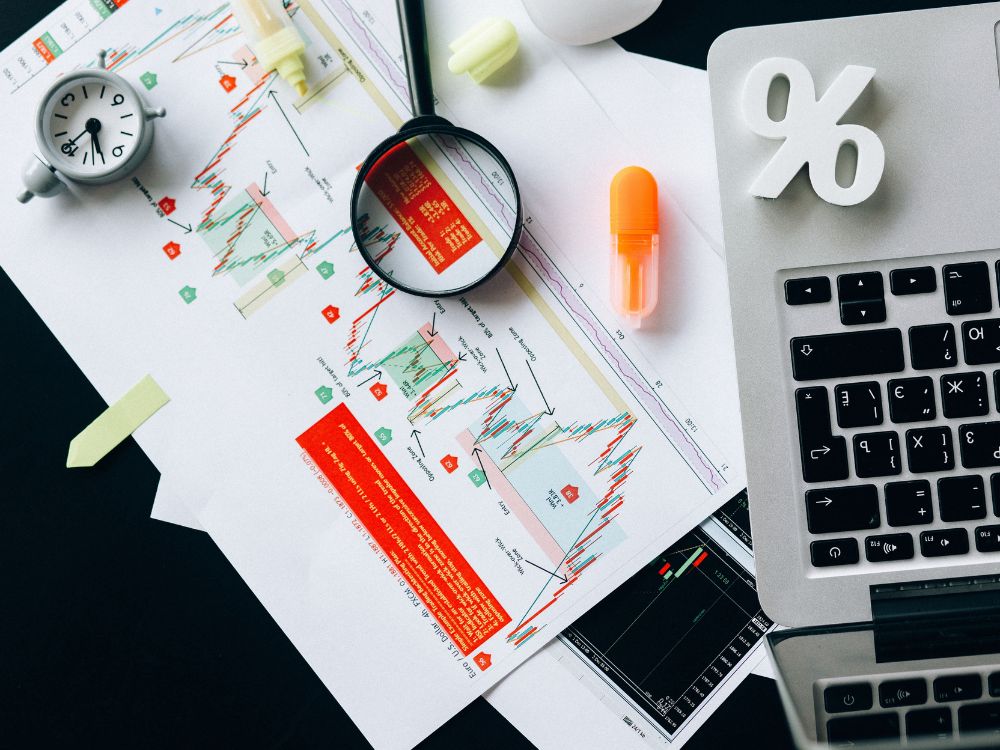
Many experienced traders actually trade false breakouts instead of avoiding them.
Here’s a simple approach.
Step 1: Identify Key Levels
Mark important support and resistance zones.
Focus on levels that have been respected multiple times.
Step 2: Wait for the Breakout
Allow price to move beyond the level.
Do not enter immediately.
Step 3: Look for Failure
Watch for signs that the breakout cannot continue.
Examples include:
- Strong rejection candles
- Long wicks
- Rapid reversal
Step 4: Enter in the Opposite Direction
Once confirmation appears, enter against the failed breakout.
For example:
- Price breaks resistance.
- Breakout fails.
- Market falls back below resistance.
- Enter a sell trade.
Step 5: Manage Risk
Always use a stop-loss.
Place it beyond the extreme of the false breakout.
This helps protect your capital if the market moves unexpectedly.
The Role of Trading Psychology
False breakouts are closely linked to trader psychology.
Markets often move based on fear and greed.
When traders see a breakout, they fear missing an opportunity.
This fear causes impulsive decisions.
Professional traders remain patient.
Instead of chasing price, they wait for confirmation and allow the market to reveal its true direction.
Developing patience can significantly improve trading results.
Common False Breakout Mistakes
Trading Every Breakout
Not every breakout is worth trading.
Quality matters more than quantity.
Ignoring Risk Management
Even the best setup can fail.
Always use a stop-loss and proper position sizing.
Overtrading
Many traders become frustrated after a losing trade and immediately enter another position.
This often leads to additional losses.
Focusing Only on One Timeframe
Higher timeframes provide important context.
A breakout on a 5-minute chart may look strong while the 4-hour chart shows major resistance nearby.
Conclusion
False breakouts are among the most important concepts every Forex trader should understand.
They occur frequently, trap inexperienced traders, and create some of the best opportunities for disciplined market participants.
Instead of chasing every breakout, learn to wait for confirmation, analyze market structure, and manage risk carefully.
Over time, recognizing false breakouts can help you avoid unnecessary losses and improve your overall trading performance.
If you’re still learning, consider practicing on a demo account first. Many traders start by using IQ Option’s $10,000 demo account to gain experience, test strategies, and understand how false breakouts develop in real market conditions before trading with real funds.
👉 https://affiliate.iqoption.net/redir/?aff=386290&aff_model=revenue&afftrack=blog
Mastering false breakouts won’t make you profitable overnight, but it can help you avoid one of the most common traps in Forex trading and put you ahead of many beginner traders.