

Cryptocurrencies have become one of the most talked-about financial innovations of the 21st century. From Bitcoin making headlines to thousands of digital assets being traded every day, the cryptocurrency market has transformed how people think about money, investing, and technology.
Unlike traditional currencies issued by governments, cryptocurrencies are decentralized digital assets that operate on blockchain technology. They allow users to transfer value globally without relying on banks or other financial intermediaries.
For beginners, understanding cryptocurrencies can seem overwhelming at first. However, once you learn the basic concepts, you’ll see why millions of people worldwide are investing in and using digital currencies.
Many modern brokers and trading platforms also provide a $10,000 demo account, allowing beginners to practice trading and learn how the market works without risking real money.
If you’re interested in exploring cryptocurrency trading and gaining hands-on experience, you can get started here:
👉 https://affiliate.iqoption.net/redir/?aff=386290&aff_model=revenue&afftrack=blog
How Do Cryptocurrencies Work?
Cryptocurrencies operate on a technology known as blockchain.
A blockchain is a digital ledger that records transactions across a decentralized network of computers. Every transaction is verified and added to a block, which is then linked to previous blocks, creating a secure and transparent chain of records.
Because the blockchain is distributed across thousands of computers, there is no central authority controlling the network. This makes cryptocurrencies resistant to censorship and provides a high level of security.
Key benefits of blockchain technology include:
- Transparency
- Security
- Decentralization
- Faster transactions
- Reduced fees
- Global accessibility
These advantages are one of the main reasons cryptocurrencies have gained widespread popularity.
The History of Cryptocurrency
The cryptocurrency revolution began in 2009 with the launch of Bitcoin.
Bitcoin was created by an anonymous individual or group using the name Satoshi Nakamoto. The goal was to develop a decentralized digital currency that could function independently of traditional banking systems.
Following Bitcoin’s success, thousands of alternative cryptocurrencies, commonly known as altcoins, entered the market. Many of these projects introduced innovative features and expanded the possibilities of blockchain technology.
Today, cryptocurrencies are used for investing, payments, decentralized finance, gaming, digital ownership, and much more.
Popular Cryptocurrencies
Bitcoin (BTC)
Bitcoin is the first and most valuable cryptocurrency. It is often referred to as digital gold because of its limited supply and store-of-value characteristics.
Ethereum (ETH)
Ethereum introduced smart contracts, allowing developers to build decentralized applications on its blockchain.
Binance Coin (BNB)
BNB powers a large blockchain ecosystem and is widely used for trading and transaction fees.
Solana (SOL)
Solana is known for its fast transaction speeds and low network costs.
XRP
XRP was designed to facilitate efficient international payments and financial transfers.
Why Are Cryptocurrencies Valuable?

Several factors contribute to the value of cryptocurrencies.
Scarcity
Many cryptocurrencies have a fixed maximum supply, creating scarcity similar to precious metals.
Utility
Some cryptocurrencies are used to power decentralized applications, payment systems, and blockchain ecosystems.
Adoption
As more individuals, businesses, and institutions adopt cryptocurrencies, demand can increase.
Innovation
Projects that introduce new technologies often attract investors and developers.
Market Demand
Like any asset, cryptocurrency prices are influenced by supply and demand.
Benefits of Cryptocurrency
Financial Independence
Users can control their funds without relying on traditional banking institutions.
Global Transactions
Cryptocurrencies can be sent and received from almost anywhere in the world.
Lower Costs
Many cryptocurrency transactions cost less than traditional international transfers.
Accessibility
Anyone with internet access can participate in the cryptocurrency economy.
Investment Potential
Cryptocurrencies have generated substantial returns for some investors over the past decade.
Practice Before Investing Real Money
One of the smartest ways to begin your cryptocurrency journey is by using a demo account.
Many brokers provide $10,000 in virtual funds, allowing traders to test strategies, learn market behavior, and build confidence before risking real capital.
This can be especially valuable for beginners who want to understand market movements and trading platforms without financial risk.
👉 https://affiliate.iqoption.net/redir/?aff=386290&aff_model=revenue&afftrack=blog
Risks of Cryptocurrency
Although cryptocurrencies offer significant opportunities, they also involve risks.
Volatility
Prices can rise or fall dramatically within short periods.
Regulatory Changes
Governments continue developing regulations that may affect cryptocurrency markets.
Security Concerns
Poor security practices can result in the loss of digital assets.
Market Manipulation
Smaller cryptocurrencies may be more vulnerable to price manipulation.
Emotional Decision-Making
Fear and greed often lead traders to make poor investment decisions.
Understanding these risks is essential before entering the market.
What Is Cryptocurrency Trading?
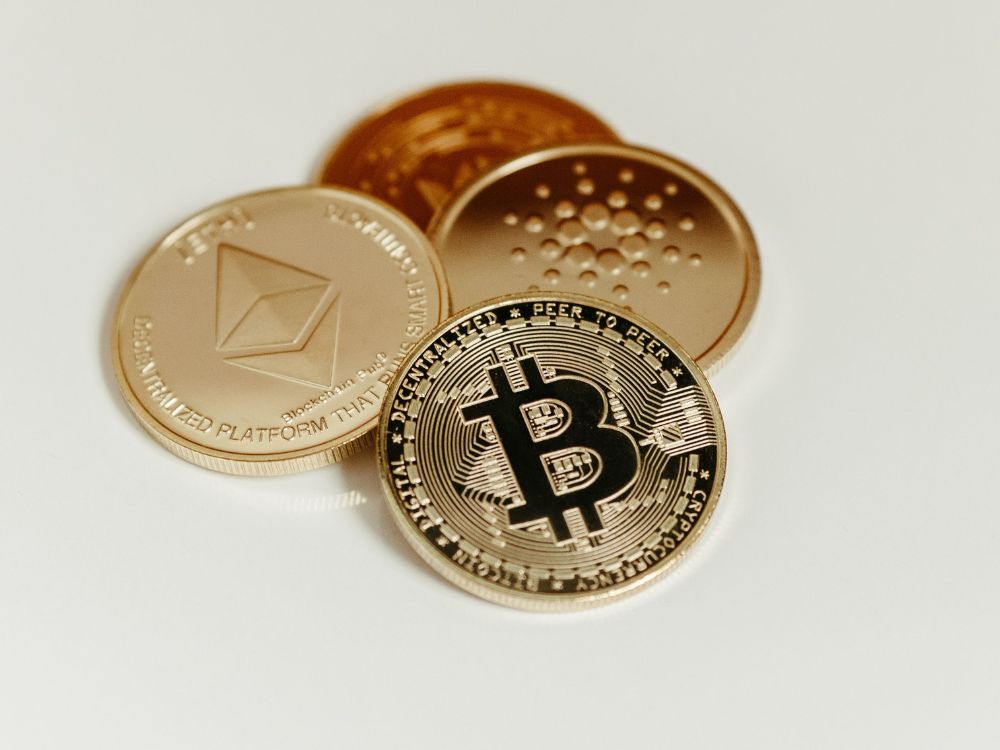
Cryptocurrency trading involves buying and selling digital assets to profit from price movements.
Several trading styles exist:
Day Trading
Opening and closing positions within the same day.
Swing Trading
Holding positions for several days or weeks to capture larger market moves.
Scalping
Making multiple short-term trades to profit from small price fluctuations.
Long-Term Investing
Buying and holding cryptocurrencies for months or years.
Each strategy requires different levels of experience, risk tolerance, and market knowledge.
How to Get Started with Cryptocurrency
Step 1: Learn the Basics
Understand blockchain technology, wallets, exchanges, and risk management.
Step 2: Choose a Reliable Broker
Select a reputable platform with strong security and educational resources.
Step 3: Use a Demo Account
Practice trading before investing real money.
Step 4: Start Small
Only invest money you can afford to lose.
Step 5: Diversify
Avoid putting all your funds into a single cryptocurrency.
Step 6: Continue Learning
Stay updated on market trends, news, and technological developments.
The Future of Cryptocurrencies
Cryptocurrency adoption continues to grow worldwide.
Financial institutions, technology companies, and governments are increasingly exploring blockchain technology and digital assets.
Emerging sectors such as:
- Decentralized Finance (DeFi)
- Web3
- Blockchain Gaming
- Tokenized Assets
- Smart Contracts
are creating new opportunities and expanding the use cases for cryptocurrencies.
While challenges remain, many experts believe digital assets will continue playing an important role in the future of finance.
Conclusion
Cryptocurrencies have transformed the financial landscape by introducing decentralized digital assets powered by blockchain technology.
Whether you are interested in investing, trading, or simply understanding the technology, learning the fundamentals is the first step toward making informed decisions.
Before risking real capital, consider practicing with a $10,000 demo account to gain experience and confidence in a risk-free environment.
👉 Start your crypto journey today:
https://affiliate.iqoption.net/redir/?aff=386290&aff_model=revenue&afftrack=blog