

Introduction
Financial markets are driven by countless factors that influence prices every day. Whether you trade Forex, cryptocurrencies, stock indices, commodities, or other financial instruments, understanding why markets move is just as important as knowing when to enter or exit a trade. This is where fundamental analysis becomes an essential tool.
Fundamental analysis is the process of evaluating the intrinsic value of an asset by examining economic data, financial conditions, political developments, market sentiment, and industry trends. Unlike technical analysis, which focuses on price charts and indicators, fundamental analysis seeks to understand the underlying reasons behind market movements.
For traders and investors alike, mastering fundamental analysis can provide a significant advantage. It helps identify long-term opportunities, understand major market trends, and anticipate potential changes before they become obvious on price charts.
In this guide, we will explore how fundamental analysis works, why it matters, and how traders can apply it effectively in Forex, cryptocurrency, and stock index markets.
Understanding the Basics of Fundamental Analysis
At its core, fundamental analysis attempts to answer a simple question:
What is the true value of an asset?
If an asset is trading below its perceived value, it may represent a buying opportunity. If it is trading above its perceived value, it could be overvalued and potentially vulnerable to a decline.
Fundamental analysts study a wide range of factors including:
- Economic growth
- Inflation
- Interest rates
- Employment data
- Government policies
- Corporate earnings
- Market sentiment
- Global events
- Industry developments
The objective is not merely to predict short-term price fluctuations but to understand the broader forces driving the market.
Why Fundamental Analysis Is Important
A currency may be strengthening because its country’s central bank is raising interest rates. A cryptocurrency may be gaining value because institutional investors are increasing adoption. A stock index may be rising because corporate earnings are exceeding expectations.
Understanding these factors allows traders to make more informed decisions and avoid relying solely on market speculation.
If you’re new to trading and want to practice analyzing market fundamentals without risking real money, you can start with a free demo account using this opportunity:
👉 https://affiliate.iqoption.net/redir/?aff=386290&aff_model=revenue&afftrack=blog
Fundamental Analysis in Forex Trading
Forex is one of the markets most influenced by fundamental factors. Currency values are directly linked to the health of national economies and monetary policies.
Interest Rates
Interest rates are among the most powerful drivers of currency prices.
When a central bank increases interest rates, investors often move capital into that country’s currency seeking higher returns. Increased demand can strengthen the currency.
Conversely, lower interest rates may reduce demand and weaken the currency.
Inflation
Inflation measures the rate at which prices increase over time.
Moderate inflation is generally healthy, but excessive inflation can create economic instability. Central banks closely monitor inflation and adjust monetary policy accordingly.
Traders pay close attention to inflation reports because they often influence future interest rate decisions.
Employment Data
Employment reports provide insight into economic strength.
Strong job growth typically signals a healthy economy, increasing confidence in a country’s currency. Weak employment data may indicate economic challenges and put pressure on the currency.
Gross Domestic Product (GDP)
GDP measures the total value of goods and services produced within an economy.
Growing GDP often supports stronger currencies because it reflects expanding economic activity and investor confidence.
Fundamental Analysis in Cryptocurrency Markets
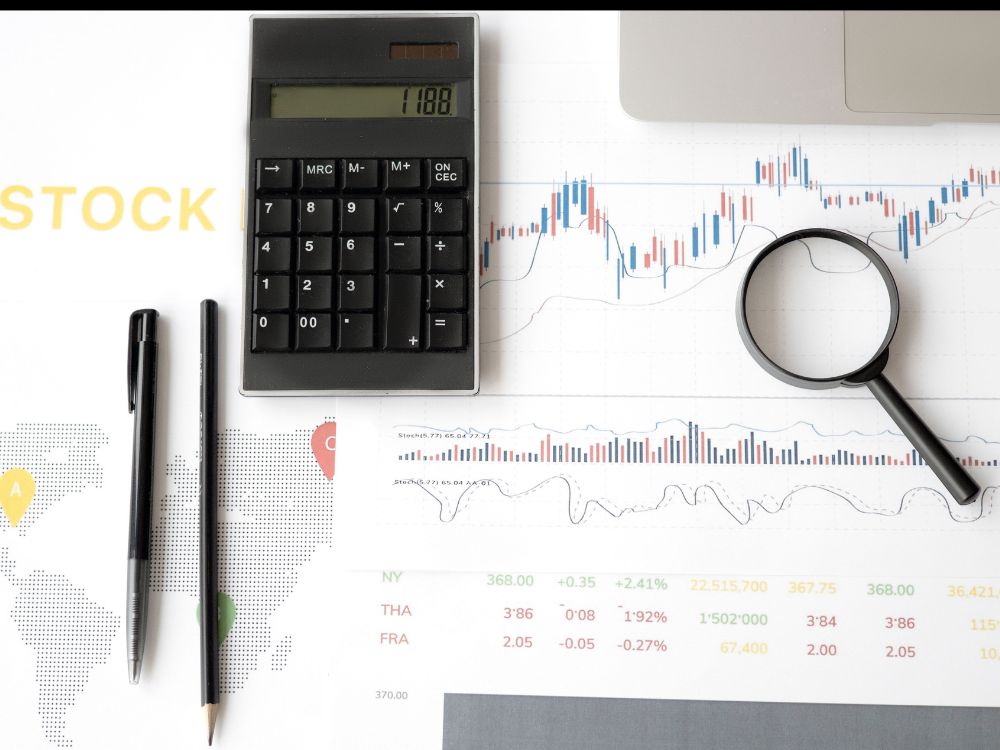
Although cryptocurrencies operate differently from traditional financial assets, fundamentals still play a major role in determining value.
Adoption and Usage
A cryptocurrency’s utility often influences its long-term potential.
Projects with growing user bases, increasing transaction volumes, and expanding ecosystems tend to attract more investor interest.
Development Activity
Active development teams indicate ongoing project improvement.
Investors frequently monitor software updates, blockchain upgrades, and roadmap achievements when evaluating cryptocurrency projects.
Regulatory Environment
Government regulations can significantly impact cryptocurrency markets.
Positive regulatory developments may encourage institutional participation, while restrictive policies can create uncertainty and downward pressure.
Institutional Interest
Institutional investment has become one of the strongest drivers of cryptocurrency growth.
When large financial institutions, hedge funds, and corporations adopt digital assets, market confidence often increases substantially.
Applying Fundamental Analysis to Stock Indices

Stock indices represent the performance of groups of companies and are heavily influenced by economic conditions.
Major indices such as the S&P 500, NASDAQ, and Dow Jones often react to macroeconomic developments.
Corporate Earnings
Strong earnings generally support higher stock valuations.
When companies consistently exceed expectations, investors become more optimistic about future growth.
Consumer Spending
Consumer spending is a critical driver of economic activity.
Higher spending often translates into stronger corporate revenues and improved stock market performance.
Monetary Policy
Central bank decisions influence borrowing costs, business investment, and overall market liquidity.
Accommodative monetary policies often support stock markets, while aggressive tightening measures can create headwinds.
Economic Growth
Expanding economies typically provide favorable conditions for businesses, supporting higher stock prices and stronger index performance.
At this stage, many traders combine economic analysis with practical market experience. A risk-free way to gain that experience is by using a demo trading account before committing real capital: 👉 https://affiliate.iqoption.net/redir/?aff=386290&aff_model=revenue&afftrack=blog
Key Economic Indicators Every Trader Should Monitor
Successful fundamental traders regularly follow economic calendars and major market events.
Important indicators include:
Consumer Price Index (CPI)
Measures inflation and influences monetary policy decisions.
Non-Farm Payrolls (NFP)
Provides insight into labor market conditions in the United States.
Interest Rate Decisions
Among the most market-moving events across all financial markets.
Retail Sales
Reflect consumer spending patterns and economic strength.
Purchasing Managers’ Index (PMI)
Measures business activity and economic expansion.
GDP Reports
Offer a comprehensive view of economic performance.
Central Bank Statements
Provide guidance regarding future monetary policy.
Monitoring these indicators can help traders anticipate volatility and identify potential opportunities.
Advantages of Fundamental Analysis
Fundamental analysis offers several important benefits:
Better Market Understanding
Traders gain insight into the reasons behind price movements.
Long-Term Perspective
Fundamental trends often persist for months or years.
Improved Confidence
Understanding economic conditions can reduce emotional trading decisions.
Stronger Strategic Planning
Fundamental analysis helps traders align positions with broader market trends.
Limitations of Fundamental Analysis
Despite its advantages, fundamental analysis is not perfect.
Market Reactions Can Be Unpredictable
Even positive economic data may produce unexpected market reactions.
Information May Already Be Priced In
Markets often anticipate future developments before official data is released.
Short-Term Volatility
Unexpected news can temporarily overshadow long-term fundamentals.
Requires Continuous Learning
Economic analysis involves interpreting complex data and market expectations.
For these reasons, many professionals combine fundamental analysis with technical analysis.
Combining Fundamental and Technical Analysis
The most successful traders often use both approaches together.
Fundamental analysis helps determine market direction, while technical analysis helps identify precise entry and exit points.
For example:
- Economic conditions suggest a currency should strengthen.
- Technical analysis identifies a favorable support level.
- Risk management determines position size and stop-loss placement.
This balanced approach can improve decision-making and trading consistency.
Conclusion
Fundamental analysis remains one of the most valuable skills any trader can develop. Whether you trade Forex, cryptocurrencies, or stock indices, understanding the economic and financial forces behind market movements provides a deeper perspective than charts alone.
By studying interest rates, inflation, employment reports, economic growth, corporate earnings, and global developments, traders can better anticipate future trends and make more informed decisions.
While no analytical method guarantees success, combining fundamental analysis with technical tools, disciplined risk management, and continuous education can significantly improve long-term trading performance.